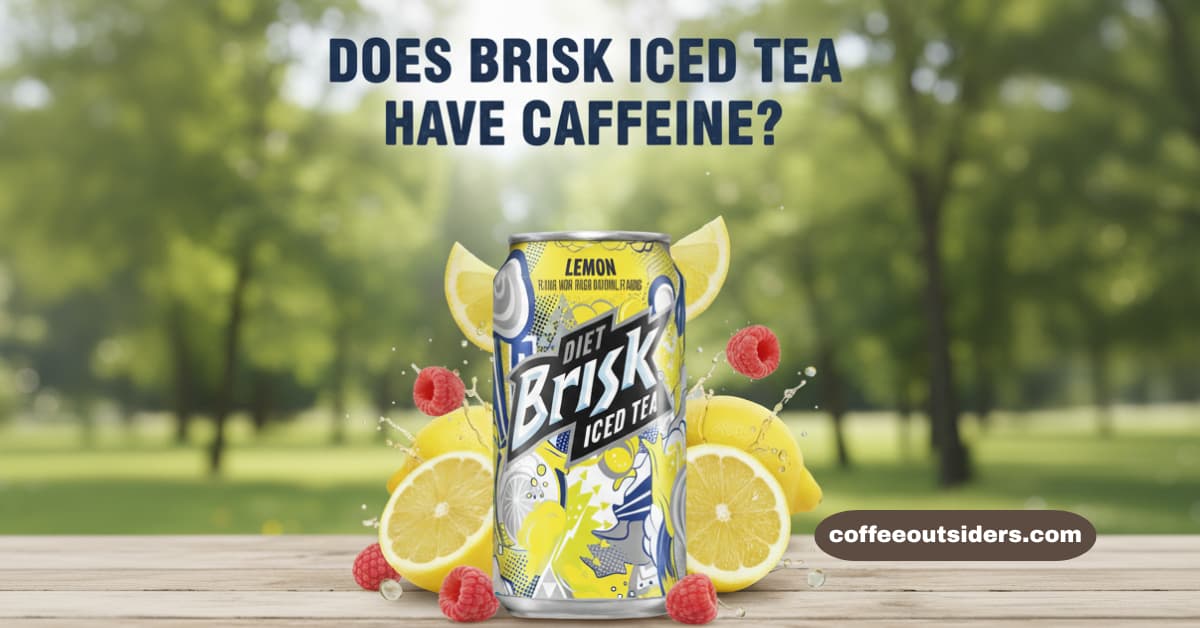
Does Brisk Iced Tea Contain Caffeine?
Brisk Iced Tea does have caffeine, but the amount does not remain steady across flavors. A 12-ounce can of Brisk Iced Tea has about 8 mg of caffeine.
That makes it a relatively low-caffeine option in comparison to coffee or energy drinks. This amount of caffeine is enough to give you a little bit of a boost, but it’s not too much.
If you’re trying to limit the amount of caffeine you consume, looking at the flavor label is the easiest way to be aware.
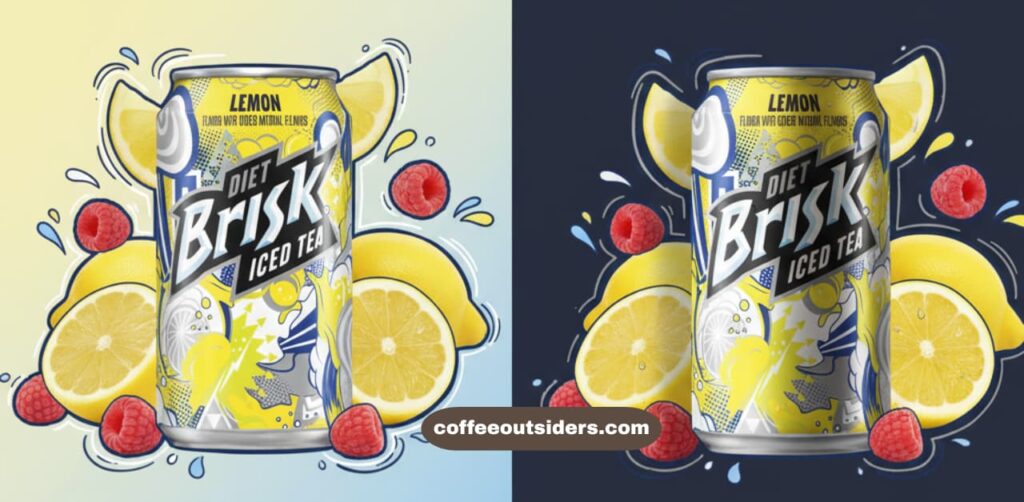
- In conclusion, the caffeine content in Brisk Iced Tea Can varies based on the flavor. To find the most accurate measure of caffeine, you should always read the label.
- Unlike some other iced teas on the market, Brisk Iced Tea has a very low caffeine content of 5-10 mg per 8-ounce serving. This is what makes it a more moderate option than coffee and most sodas.
- Flavor variations and production processes have a significant effect on caffeine levels. Thus, consumers need to consider these ingredients when choosing their preferred product.
- Whatever your reason, Brisk Iced Tea has the refreshing, energizing iced tea you need to stay one step ahead. It’s the perfect mild boost of caffeine to keep you going without being too jittery.
- Moderate caffeine intake from Brisk Iced Tea can fit within daily recommendations and provides a balanced way to enjoy its energizing effects responsibly.
- For consumers looking to avoid or reduce caffeine, Brisk has an extensive line of caffeine-free varieties to meet your needs.
Does Brisk Iced Tea Contain Caffeine?
Brisk Iced Tea is a well-loved beverage that combines tea with bold flavors, offering a refreshing option for tea enthusiasts. True to form with its diverse background, Brisk comes in many flavors, all with a different mix and caffeine content.
Although it’s true that Brisk Iced Tea has caffeine, most of the time there will be less caffeine in Brisk than there is in many other caffeinated beverages. It’s a great choice for those who prefer a more subdued lift. It’s the ideal pick-me-up – just right without the jolt of coffee or energy drinks.
1. Brisk Iced Tea: A Caffeinated Beverage
As one of PepsiCo’s products, Brisk Iced Tea has long been a presence in the ready-to-drink tea category. Originally launched in the Lipton brand, it became known for its distinct flavor blends and high impact, colorful branding.
It’s the tea base, a natural source of caffeine that produces its energetic effects just like with other Brisk Iced Teas. The caffeine content is all over the place based on the flavor you choose. Certain flavors contain an instant tea powder rather than brewed tea.
This substitution can dramatically reduce the caffeine too. Brisk has a juice drink line that does not have any caffeine. This new addition builds on the brand’s wide-ranging product portfolio.
2. Caffeine Content in Brisk Products
Compared to other widely consumed caffeinated drinks, Brisk Iced Tea’s caffeine content is fairly conservative. To provide clarity, here’s a breakdown of the caffeine levels:
| Serving Size | Caffeine Content |
| 8 fl oz | 5-10 mg |
| 12 fl oz | 11 mg |
| 100 ml | 3.10 mg |
Brisk comes in a variety of sizes including 12, 20 and 24 oz cans and 16.9 and 23.5 oz PET bottles. Frozen options like Brisk Slurpees or Slushies generally contain about half the caffeine of their liquid counterparts, making them a lighter choice.
3. Factors Influencing Caffeine Levels
The kind of tea used is the biggest factor when it comes to caffeine content in any Brisk drink. Instant tea powder, which is the main ingredient in Brisk Iced Tea, generally produces less caffeine than steeped tea.
Other factors besides caffeine content, like the tea brewing process and steeping time, will impact how much caffeine is extracted. Flavor variations play a role in the varying amounts as well, so always check the label for the most accurate caffeine information.
Brisk Iced Tea Caffeine Compared
How much caffeine is in Brisk Iced Tea. What’s important is to compare it to other iced teas, coffee and sodas. We hope this comparison helps you find the right iced tea for your caffeine consumption needs and hot weather cravings.
1. Brisk vs. Other Iced Teas
Brisk Iced Tea is well-known for its low caffeine level. Most flavors have only 5 – 11mg caffeine per 12 oz serving. Brisk classic lemon tea has around 18 mg of caffeine per 8 oz serving.
For comparison, Southern-style sweet tea has 15 mg caffeine per 8 oz. However, flavors based on black tea are easier to find, and they really jungle juice up the potency. They usually have 20-25 mg per 8 oz serving and 31-45 mg per 13.8 oz bottle. For comparison, that is about 0.92 mg of caffeine per fl oz.
Other popular iced teas have more caffeine than Brisk Tea. Brisk usually has less caffeine than other Brisk iced teas. Essentially, Lipton Iced Tea contains 20-25 mg of caffeine per 8 oz serving.
Brisk Iced Tea, however, is more like the 15-30 mg range, so it really doesn’t matter which variety you go with. Flavor options play a big role in determining caffeine content. For example, fruit-infused teas often have lower caffeine levels because they’re less dependent on black tea for their flavor.
Brisk’s moderate caffeine level makes it perfect for consumers looking for a less stimulating beverage choice, without sacrificing complex flavor varieties.
| Brand | Caffeine (per 8 oz) |
| Brisk (Lemon) | 18 mg |
| Brisk (Sweet Tea) | 15 mg |
| Arizona | 15-30 mg |
| Lipton | 20-25 mg |
2. Brisk vs. Coffee and Soda
Brisk Iced Tea has much less caffeine than coffee, which averages 80-100 mg per 8 oz cup. Colas, for example, usually run between 25-50 mg per 12 oz can, and some go even higher.
For consumers looking to cut back on caffeine, Brisk provides a smoother option, delivering the great taste they love while being easier on them.
3. Understanding Caffeine Milligram Amounts
Analyzing the caffeine content by flavor allows consumers to make informed decisions about the product. All Brisk Iced Tea varieties convert to 5-11 mg caffeine per 12 oz.
By comparison, black tea-based alternatives can provide as much as 45 mg per bottle. These mildly flavored options make finding a consumption level right for your personal palate easy.
Effects of Caffeine from Brisk Iced Tea
Caffeine, even in the small amounts found in Brisk Iced Tea, can have a variety of effects on the body and mind. With a typical 12-ounce serving containing between 7mg and 11mg of caffeine, Brisk Iced Tea offers a mild caffeine boost compared to other beverages. While this section will primarily focus on the positive effects, we will touch on a few potential negative effects, stressing the theme of moderation throughout.
1. Positive Effects of Caffeine
Caffeine—as much or more than anything else—is well-known for its brain-boosting benefits. Daily intake of caffeine, in moderation, has been shown to improve attention, increase focus, and even help improve faster reactions. For instance, sipping on a can of Brisk Lemon Iced Tea, which contains approximately 8mg of caffeine per 12 fluid ounces, might provide just enough stimulation to help during a long afternoon at work or school.
In addition to mental benefits, caffeine has physical performance-boosting effects. Research indicates that low doses of caffeine are effective at enhancing endurance and lowering the perception of exertion during physical activity. Even though Brisk Iced Tea is clearly not marketed as a sports drink, that’s not stopping them. Its modest caffeine levels mean it’s a bracingly crisp, invigorating beverage to indulge in before or after exercise.
Additionally, moderate caffeine consumption has been linked to a reduced risk of multiple health conditions. These impacts extend to other major health conditions such as Parkinson’s disease and non-alcoholic liver disease. Enjoyed in moderation, Brisk Iced Tea fits into a healthy lifestyle. Brisk Unsweetened No Lemon Iced Tea is low in caffeine. At only 7mg per serving, it’s the most accessible and enjoyable way to experience its benefits.
2. Potential Negative Effects
In moderation, caffeine has numerous benefits, but too much can cause side effects such as anxiety, insomnia, and jitteriness. People who are sensitive to caffeine may react poorly, sometimes severely, even to small doses. So, it’s more important than ever to be aware of your own tolerance levels. Brisk Sweet Tea (Regular) contains 11 mg of caffeine per 12 fl oz. This level is enough to affect anyone, especially those who are more sensitive to caffeine.
A second thing to watch are the sugar levels in most varieties of Brisk Iced Tea. Eating excess added sugar is a primary driver of obesity and many other chronic diseases. Frozen versions, such as Brisk Slurpees, typically have roughly half of the caffeine of their liquid counterparts but can have additional sugar from syrups. Limiting caffeine and sugar allows for a more reasonable use.
3. Moderate Consumption is Key
Ultimately, moderation is the key pillar of responsible caffeine use. Health authorities advise that the average adult should consume no more than 400mg of caffeine a day. This amount is far greater than the caffeine content in Brisk Iced Tea. It’s important to keep track of all sources of caffeine, as even modest amounts can add up.
Brisk Iced Tea has even more of a shocking low caffeine content due to their unique instant tea powder. This combination makes it a perfect fit for anyone who wants a deliciously light and refreshing drink. When consumed responsibly, Brisk Iced Tea is a great, easy choice that can be easily incorporated into a healthy, active lifestyle.
There’s the original recipe Brisk Lemon Iced Tea in addition to the more robustly flavored Brisk Sweet Tea. Each of them provides versatility to suit your caffeine needs! By being mindful of individual tolerance and daily consumption, you can get the most out of the benefits caffeine has to offer without the drawbacks.
How Caffeine is Measured and Regulated
Understanding how caffeine is measured and regulated in beverages like Brisk Iced Tea is vital for making informed choices about consumption. Caffeine content varies across products, but accurate labeling helps consumers monitor intake while ensuring safety. Below we cover how caffeine is most commonly measured, what regulates it, and why the accuracy of caffeine content on labels is essential.
1. Standard Measurement Units
Caffeine in food products, including baked goods and candy, is usually measured in milligrams (mg) per serving. Common units include milligrams per fluid ounce (mg/fl oz): This helps gauge caffeine concentration.
To take one popular brand, Brisk Iced Tea, one flavor has about 0.58mg to 0.92mg of caffeine per fluid ounce. A 12 fl oz can of Brisk Lemon Iced Tea contains approximately 8mg of caffeine, while the same size of Brisk Unsweetened No Lemon Iced Tea contains about 7mg.
For consumers who are conscious about their caffeine intake, these amounts matter. For example, a single serving of Brisk Iced Tea only delivers 1.25% to 2.75% of the 400mg RDI for healthy adults. It is a perfectly reasonable addition to any drink that makes it a moderate one. An understanding of these units helps people more effectively monitor their total caffeine intake.
2. Regulatory Oversight of Caffeine
In short, regulatory bodies such as the FDA in the United States closely monitor caffeine in our food and drinks. They protect consumers by keeping products safe and code compliant. They make sure that producers meet safety regulations and supply proper labeling.
So, it’s important to be aware of how much caffeine you’re getting, particularly because that amount can vary widely within a product. For example, Brisk Iced Tea sells flavors from 5mg to 11mg caffeine per 12-ounce serving.
Consumers act in good faith. Adopting accurate labeling fosters consumer trust by encouraging transparency over misinformation and misrepresentation. Brisk Iced Tea contains less caffeine than coffee or energy drinks. This information helps consumers identify healthier options that fit their lifestyles.
3. Accuracy in Labeling
Accurate labeling on high caffeine products such as Brisk Iced Tea means consumers can trust the information they’re getting. Inconsistent levels of caffeine from one batch to the next, or clear labeling, can create user misunderstandings.
Manufacturers must do better when it comes to accuracy, transparently labeling the exact caffeine content in every flavor. For example, Brisk Lemon Iced Tea, which has 8 mg per 12 oz serving, provides specific information that helps consumers better manage their intake.
By reporting these discrepancies it holds brands’ feet to the fire to be accountable and act in a uniform manner.
Brisk Iced Tea Formulation Changes
Brisk Iced Tea has had an interesting history of formulation – specifically to its caffeine content. These formulation changes are a welcome sign that the brand is starting to pivot towards meeting updated consumer preferences and health trends. Sweet starts Sugar-heavy history influenced the drink’s initial flavor. Today’s more developed formulations have continued to change both its taste and how the customer sees it.
1. Historical Caffeine Adjustments
Brisk Iced Tea has seen several key changes in its caffeine and sugar composition:
- Initially, Brisk Iced Tea contained high levels of sugar, up to 44 grams per 16-ounce can. Caffeine content was relatively high, though not as stressed.
- By the early 2000s, with rising awareness of sugar’s health effects, major formulation changes started to take place. PepsiCo made drastic changes to reduce sugar content while increasing use of artificial sweeteners to appeal to health-focused consumers.
- We’re going to standardize the caffeine content on that to 11 milligrams per 12-ounce can. This offers a refreshing splash that makes it ideal for moderate consumers.
- Certain flavors, like Lemon and Raspberry, saw slight tweaks to their caffeine content to maintain consistency and flavor balance across the product line.
Consumer response has frequently dictated their policy moves. This once again demonstrates the deep-rooted cultural commitment to avoid disappointing and always readjust to where the market goes.
2. Impact of Formulation on Taste
This ingredient helps give Brisk Iced Tea its unique taste profile, and caffeine doesn’t just provide a kick. Caffeine, while far less bitter in effect than sugar, can contribute a bit of bitterness, which helps underscore the tea’s signature flavor.
Striking the right ratio of caffeine to sweetness has been at the heart of product innovation. For instance, familiar flavors such as Sweet Tea have found success by delivering a more palatable flavor with less caffeine kick. Preferences differ, and drinkers might prefer less caffeine depending on their tolerance.
With a wide variety of flavor options to choose from, consumers can experiment and discover their favorite flavor fit.
3. Consumer Feedback on Changes
Consumer feedback has played a key role in the making of Brisk Iced Tea as we know it today. Many loyal customers appreciate the brand’s ability to adapt to health trends without compromising its bold flavors.
Encouragement from drinkers has led to new flavors, inspiring us to continue experimentation without compromising on the brand quality customers have come to know and love. PepsiCo’s open-mindedness to hear has established confidence and brand faithfulness between consumers.
As a result, they are constantly looped into product advancements and innovations.
Consumer Perception of Brisk’s Caffeine
The bold caffeine content in Brisk Iced Tea deserves a little more credit than we usually give it. Its effect on consumer perception of the drink cannot be understated. Brisk Iced Tea squeezes in between 7mg and 11mg per 12oz serving. This is why it’s generally considered a low-caffeine option compared to the other overly caffeinated drinks out there.
Yet infuriatingly, 80% of consumers do not know that it contains caffeine, further emphasizing the importance of clear communication and labeling. This gap in public knowledge affects the way Brisk is enjoyed and understood across all contexts.
1. Caffeine’s Role in Taste Perception
Caffeine is a powerful, yet underappreciated, element in the drink portfolio flavor profile. Their low caffeine content is due to the use of instant tea powder, rather than brewed tea. This highlights defined flavor nuances while maintaining a clean and consistent taste profile.
Brisk Sweet Tea doesn’t add much there, bringing only about 11mg per 12 oz. It could round up consumers looking for a stronger tea taste. Consumers often associate caffeine with a jolt, wake-you-up effect.
This consumer perception further fuels the brisk, refreshing taste experience that Brisk is relentlessly pursuing. Understanding how caffeine interacts with the tea’s flavors can help consumers appreciate its unique taste without overestimating its energy-boosting potential.
2. Energy Boost Expectations
If you’re in the mood for a gentler caffeine kick, reach for Brisk Iced Tea. It provides a more mild pick-me-up without the jolt that more potent caffeine sources offer. Its consistent caffeine range, typically between 7mg and 11mg per serving, provides enough stimulation to stay alert without causing jitters or anxiety.
First and foremost, it’s important to temper your expectations. Contrary to the energy experience from coffee or energy drinks, Brisk’s high caffeine levels might leave you hanging. Consumers looking for a bigger energy boost should combine it with other sources.
Try pairing it with a nutrient-rich snack for a healthier balance!
3. Brand Marketing and Caffeine
Brisk markets itself as a beverage choice that is refreshing and not too much caffeine. This strategy resonates with consumers looking for something delicious without the negative effects of high caffeine levels.
Brisk really is unique in that arena, with its flavor for one, but its smoothness. This versatility makes it a perfect option for enjoyment on its own or alongside food.
Transparency in caffeine content remains crucial, as clearer labeling can help consumers make informed decisions and better enjoy the product.
Safety and Performance Considerations
Understanding caffeine consumption is critically important. This understanding is particularly important for high-volume, commodity products such as Brisk Iced Tea. Moderate caffeine consumption is perfectly safe for the average person. Your individual health circumstances and what and how you eat plays a large role in how it may influence you.
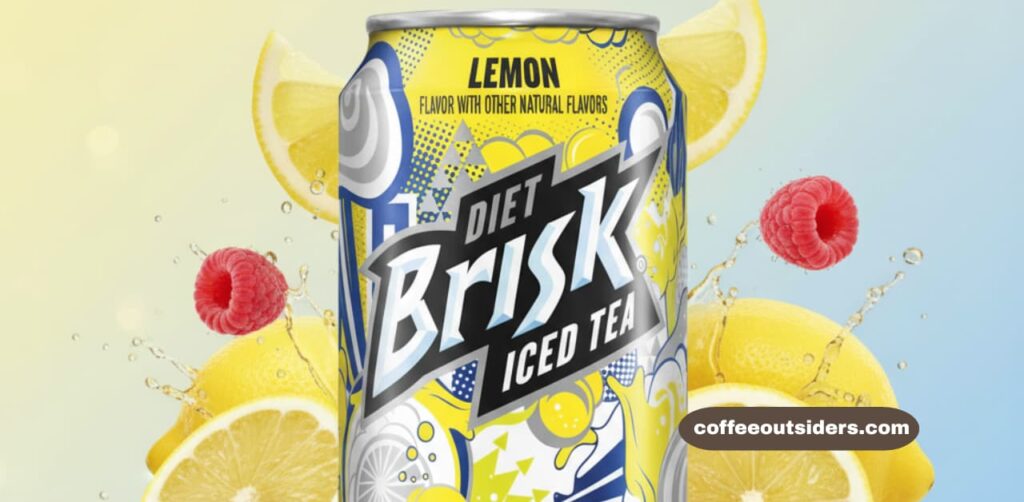
Here, informed by research and experts’ recommendations, we take a look at some safety and performance considerations to guide consumers in making informed choices.
1. Studies on Iced Tea Caffeine
We’ve always known that iced teas, including Brisk Iced Tea, have a moderate amount of caffeine. This specific mix of nootropics causes them to be a much more tame stimulating choice than coffee or energy beverages. A 12 oz serving of Brisk Iced Tea typically contains 8-10 mg caffeine per serving.
That’s a big difference from what you’d get in a freshly brewed cup of coffee! These results empower consumers to make informed decisions about their daily caffeine consumption with a delicious, convenient beverage.
Currently, emerging research is showing caffeine to be questionable as it can interrupt sleep patterns, raise heart rate, and lead to gastrointestinal distress. These effects may happen at moderate levels of consumption in some people.
That’s why it’s so important to remain informed about the newest findings. The review of caffeine’s contribution in drinks, such as Brisk Iced Tea, will continue.
2. Recommended Daily Intake
Health organizations including the FDA and Mayo Clinic advise healthy adults to consume no more than 400mg of caffeine per day. They warn against more than 400 mg per day. When consumed responsibly, Brisk Iced Tea falls well within these guidelines.
Don’t forget about other sources of caffeine, such as coffee, soda and chocolate. This one simple step will keep you from exceeding the recommended limit.
The American Academy of Pediatrics recommends that adolescents consume no more than 100 mg of caffeine per day. When it comes to children, the path is unequivocal—children should not consume caffeine at all.
Brisk Iced Tea has very high levels of added sugar as much as 31 grams per 12 oz serving. Overconsumption of this sweetened beverage contributes to chronic disease risk such as obesity and type 2 diabetes.
3. Individual Sensitivity to Caffeine
Sensitivity to caffeine is highly individualized. Many other people do very well with high levels. People could encounter negative reactions such as anxiety, restlessness, or dependence, at even lower doses.
Paying attention to how your body reacts is the most important factor. For those with increased sensitivity, caffeine-free options can be more appropriate.
The FDA deems Brisk Iced Tea items preservatives, including potassium sorbate, to be safe. These preservatives don’t address the dietary hazards associated with its calorie-heavy, nutrient-light composition.
Brewing and Production Variations
The caffeine content for Brisk Iced Tea depends on many variables. These are the level of oxidation for the chosen tea, production variations, and the brewing practice. Understanding these elements can help consumers make informed choices about their beverage preferences, whether they prioritize flavor, caffeine levels, or a balance of both.
1. Impact of Tea Type on Caffeine
The kind of tea used has a big impact on the caffeine content in Brisk Iced Tea. Brisk Iced Tea substitutes brewed tea with instant tea powder. It continues to source its caffeine from a custom blend of black and green teas.
Here’s a quick comparison of caffeine levels in common tea types:
- Black tea: Contains approximately 40–70mg of caffeine per 8 ounces.
- Green tea: Typically ranges from 20–45mg per 8 ounces.
- Herbal tea: Naturally caffeine-free.
Black tea is typically the most caffeinated. To produce every moderate level of caffeine found in the market, beverages such as Brisk Iced Tea use unique formulations to precisely manage caffeine levels. Brisk Iced Tea comes in at 7–11mg caffeine per 12-ounce serving.
This moderate level of caffeine makes it one of the milder choices among most tea-based drinks. As with any tea, consumers should pay attention to what type of tea they’re choosing when picking out iced tea products—particularly if they have a sensitivity to caffeine.
2. Production Process Effects
The production process — both brewing and the physical production of the coffee — greatly affects caffeine levels and overall quality. Unlike most tea brands, Brisk Iced Tea is made with instant tea powder, rather than brewed tea. This decision helps reduce caffeine content when compared to conventionally brewed tea.
Production quality control ensures uniformity in caffeine content and flavor profile. This holds true for every product package, whether a 12-ounce can or larger 24-ounce bottle. Brands like Brisk, distributed by PepsiCo, prioritize processes that maintain a balanced taste and caffeine level, making them a trusted choice for ready-to-drink teas.
Frozen Brisk beverages usually contain about ½ the caffeine of the equivalent liquid form. This offers a nice contrast together with the tastes, as well!
3. Brewing Time and Temperature
Brewing methods can really swing the caffeine extraction. The longer you steep at a higher temperature, the more likely it is that you’re getting higher caffeine content. With other ready-to-drink products such as Brisk Iced Tea, these elements are managed and regulated throughout the manufacturing process.
Design your own unique flavor adventure when you brew your own tea at home! Play around with time and temperature to achieve your ideal harmony. When prepared according to our recommended guidelines, you’ll experience the best taste and your favorite level of caffeine.
Caffeine Delivery Differences
Caffeine absorption and release huge impact by the delivery method you consume. Each of these drinks has the potential to impact how your body processes caffeine in surprising ways. For a smooth, satisfying caffeine boost, reach for Brisk Iced Tea and chill. Its delivery is different from more robust items like coffee or energy drinks. This difference determines how strong an impact the caffeine itself has.
It’s what affects the duration of those effects too, which makes iced tea an even more attractive option for anyone seeking a smooth, sustained lift.
1. Absorption Rates Compared
Caffeine delivery time depends on the drink’s formulation. What makes Brisk Iced Tea unique compared to coffee and energy drinks is that it has lower caffeine and additional ingredients. A 12-ounce can of Brisk Iced Tea contains about 11 mg of caffeine. Their lemon tea, by contrast, packs a more powerful punch at 18 mg per 8-ounce serving.
If you like your black tea drinks, you won’t want to miss their Southern-style sweet tea. It delivers roughly 15-25 mg/8-oz serving and 31-45 mg/13.8-oz bottle. Even these relatively mild levels can lead to a slower, more even absorption of caffeine, leading to a more pleasant experience.
Ingredients such as sugar help, too, since they can change how quickly your body metabolizes caffeine. For instance, Brisk’s sweetened teas will probably offer a smoother energy boost than their unsweetened versions. Individual metabolism greatly affects how we experience the effects. Some users experience an instant energy increase punch, others prefer a more mellow, sustained energizing effect that lasts.
2. Iced Tea vs. Other Drinks
Brisk Iced Tea is an excellent choice for caffeine when you don’t want a strong jolt like you’d get from coffee or energy drinks. Coffee generally contains 80-100 mg of caffeine per 8-ounce cup. Unlike these existing options, Brisk’s varieties of teas provide a great-tasting, refreshing alternative, well under that 130mg benchmark for those craving a lighter pick-me-up.
Brisk Slurpees, which have half the caffeine of their liquid siblings, provide an even lighter option for caffeine-conscious consumers. This gentle caffeine profile makes iced tea a great choice for anyone looking for a beverage that balances flavor and energy without overwhelming their system.
Taking a look at alternative delivery options like Brisk Iced Tea empowers consumers to make the best choices for their on-the-go lifestyle and energy needs.
3. Effects on Energy Levels
With moderate caffeine content, Brisk Iced Tea provides an even boost of all-day energy. Their black tea offerings, too—those things will focus you up from daybreak to sundown. You’ll avoid the dreaded jitters and crashes usually caused by higher-caffeine drinks.
Adding a bottle of Brisk to a light afternoon snack can help provide the balance of energy you need. This sophisticated combination keeps you going all day long.
Caffeine-Free Brisk Options
If you’re interested in sipping caffeine-free Brisk Iced Tea, we’ve got you covered. These delicious, caffeine-free variants make them great options for consumers sensitive to caffeine. They please those who want an uplifting beverage experience without the added caffeine.
With a range of flavors, these options offer the same satisfying taste Brisk is known for, making them a suitable choice for anytime enjoyment.
1. Taste Comparison
Each of these flavorful teas has a gentle dose of caffeine. For instance, their classic lemon tea clocks in at only 17 mg of caffeine per 8 oz serving, whereas the unsweetened black tea variant has a more pronounced caffeine influence with 48 mg in each 18.5 oz bottle.
These caffeine-free, bold alternatives will give you a fresh start with all the vibrancy and attitude of classic tea. Flavors like Diet Lemon Iced Tea and Unsweetened No Lemon Iced Tea are excellent choices for those avoiding caffeine.
In fact, their caffeine content is as low as zero to an insignificant 7 mg per 12 oz serving. Those variants still pack an intense flavor punch while keeping a bright, citrus-forward profile, in true Brisk style.
Caffeinated options deliver a crisper punch from the tea’s inherent antioxidants. Caffeine-free Brisk takes a turn towards more refreshing and brighter flavors. Consumer preferences run the gamut and we want consumers to try both, and see what they like best.
2. Consumer Preferences
The need for lower-caffeine or caffeine-free options is becoming increasingly clear, especially among those who want healthier, convenient drink choices to consume every day. Brisk is able to deliver on those desires with a bold, diverse set of flavors—including caffeine-free options such as Diet Lemon Iced Tea.
By having just 10 mg of caffeine per 8 oz serving, it offers an experience that combines delicious taste and a little less kick. Today’s consumers want functional beverages that cater to their busy yet health-conscious lifestyles.
In an effort to counteract this trend, Brisk provides a wide variety of caffeine-free alternatives. Providing feedback on what flavors are working best and brands’ caffeination levels can help ensure that brands continue to meet consumers’ needs.
3. Availability and Marketing
Brisk can be found in stores from coast to coast as well as online. This increased availability allows consumers to experiment with various options. Most marketing focuses on the wide variety of flavors available along with the caffeine level to help customers make educated decisions.
Seasonal or limited-edition flavors spur trial and exploration and help maintain an element of surprise and excitement in the lineup.
Conclusion
No matter how you like your iced tea, with or without caffeine, Brisk has a great-tasting variety for you. Looking for something with a little caffeine kick? Or are you looking for something caffeine free? Knowing the lay of the land will help you decide which type is right for you. With a moderate caffeine content, Brisk is a refreshing choice that fits easily into a variety of lifestyles.
By learning these intricacies, we are better equipped to take charge of our intake. This allows us to create products that make people feel good about their personal choices. If you want to know how much caffeine is in particular flavors or you need a caffeine-free option, Brisk iced tea has you covered. Keep an eye out for labels and drink the one that is best suited for your day.
Frequently Asked Questions
Indeed, Yes, Brisk Iced Tea does have caffeine in it. It all depends on flavor and serving size, but overall, Brisk has lower caffeine than coffee and energy drinks.
As far as caffeination, a 12-ounce serving of Brisk Iced Tea usually has about 8-10 milligrams of caffeine. This is seen as low in respect to other caffeinated drinks.
With a moderate amount of caffeine, Brisk Iced Tea is a better choice for anyone looking to avoid stronger sources of caffeine. As always, look on the label for specific caffeine amounts.
Yes, Brisk does have caffeine-free choices, like certain herbal tea flavors. When shopping, look for “caffeine-free” on the product label.
While Brisk has made subsequent changes to their formulations at times, one thing has generally stayed the same — the caffeine content. Please check the product packaging for the most accurate information.
As a rule of thumb, Brisk Iced Tea has about half as much caffeine as a cup of coffee. A standard eight-ounce cup of coffee has approximately 95 milligrams of caffeine. Brisk has only 8-10 mg of caffeine per 12 oz.
No, Brisk Iced Tea is not made with brewed tea. We add caffeine during production, so every batch has the same caffeine content.