
Does Barley Tea Have Caffeine? Here’s What I Discovered
As barley tea is naturally caffeine-free, it is a great option for anyone looking for a naturally caffeine-free beverage. Made with barley grains roasted until dark, mugicha has a nutty, toasty flavor and is typically consumed hot or iced.
Popular in East Asian cultures and often served cold, this tea offers refreshment with the benefits of no caffeine jitters. Barley’s natural composition makes it great for everyone’s consumption, including children.
It makes a great soothing herbal substitute to other caffeinated beverages.

- Barley tea is a healthy caffeine-free beverage made from roasted barley grains. It features a delicious nutty and toasty flavor that tea drinkers love served hot or iced. It is a well loved drink in East Asian cultures and is a great refreshing caffeine free tea option.
- Barley tea is naturally caffeine-free. Barley grains do not have any caffeine in them, which means that barley tea is naturally caffeine-free. Its unique production processes and laboratory testing ensure it’s caffeine-free, making it the perfect choice for anyone avoiding caffeine and other stimulants.
- Barley tea is loaded with antioxidants and nutrients. These mighty natural enzymes increase digestion, relieve mental tension, and improve heart health. Barley’s benefits extend beyond nutrition. Barley can help support immune function and dental care and easily complements a healthy, balanced diet.
- Making barley tea at home couldn’t be easier. Roasted barley kernels are the basis for rich, flavorful brews. Play around with steeping times, and drink it hot or iced to find your perfect flavor and strength! Adding fruits or herbs makes for some beautiful updates.
- While barley tea is otherwise safe for most people to drink, those who are sensitive to gluten should skip this beverage. Pregnant or breastfeeding women are encouraged to consult with their healthcare provider before adding it to their diet. As with all things, moderation is key to preventing any unwanted side effects.
- Homemade blends Creativity is one of the best reasons to go homemade—the world of botanical blends is your oyster.
What is Barley Tea?
Barley tea, or mugicha, is a traditional beverage that’s as simple to make as it is satisfying to drink. This time-consuming process results in an amber-hued, delicate brew, sometimes characterized as nutty with herbal and slightly toasted notes.
Perhaps because it feels so refreshing, barley tea is often lauded as a miracle beverage. In East Asian countries, they drink it hot in the winter and cold in the summer. Its versatility has truly cemented it as a household favorite, providing an enjoyable, soothing experience no matter the time of year.
Though occasionally misunderstood for barley water, the two are separate beverages. To prepare barley water, grains are boiled down to create a viscous compound loaded with nutrients. By comparison, barley tea is a subtler, fragrant brew that’s prepared by steeping roasted seeds.
Origins and History
Barley tea comes from an ancient Japanese tea tradition. It soon became an inseparable part of the culture and diet. Traditionally, it was used not only as a drink, but as an expression of health and simplicity.
Barley tea became more widespread, making its way throughout East Asia. Countries like Korea and China embraced it wholeheartedly and quickly adopted it into their gastronomic culture. Its place has changed with the tastes of today, fitting in just as naturally to classic dishes and modern meals alike.
Barley tea had an important role in traditional medicine, traditionally used to soothe stomach issues and help induce sleep. Throughout many cultures, it was prized for its healing properties, showcasing its long-lasting impact on natural health and wellness.
Distinctive Taste Profile
Barley tea’s distinct nutty and toasty flavor are what makes it unique to other herbal teas. The roasting process is considered by many to be the magic ingredient behind it, enriching its fragrance and intensifying its flavor’s earthiness.
This creates a smooth yet fulfilling flavor that delights tea lovers and novices alike. While relaxing teas like chamomile or peppermint feel cozy, barley tea has a special quality to it that’s both warm and refreshing.
In Korea, versions with roasted corn lend a bit of sweetness, making for a more flavorful, rounded profile. Its versatility, combined with its mild taste, makes barley tea a drink that can be enjoyed morning, noon or night.
Does Barley Tea Contain Caffeine?
Enjoyed warmly or chilled, barley tea is a naturally caffeine-free, refreshing and invigorating beverage. It fits the bill as a great choice for anyone wanting to replace caffeinated beverages. Unlike traditional teas made from the Camellia sinensis plant, such as black, green, or white teas, barley tea originates from roasted barley grains.

This subtlety in preparation results in a distinct flavor profile. Additionally, it ensures that the drink is caffeine-free, which makes it an ideal refreshment at any hour.
1. Caffeine Absence in Barley Itself
This is because barley grains are naturally caffeine-free. This lack of caffeine provides an important benefit. It’s ideal for anyone looking to avoid caffeine and other stimulants, whether due to health considerations or choice.
The grains themselves are rich in complex carbs and fiber. They are rich in amino acids such as tryptophan, which can support relaxation and a more restful sleep. By providing a flavorful caffeine-free option, barley tea is an excellent choice for anyone who’s sensitive to caffeine or who just wants a soothing beverage.
2. Production Processes and Caffeine
Industrial production begins with roasting barley grains. This process not only develops its delicious nutty aroma, but prevents any caffeine from being added. The roasted kernels are then steeped in hot water to produce the tea, thus maintaining the caffeine-free quality.
Similar to other caffeine beverage production processes, they don’t introduce other ingredients which naturally change this property.
3. Laboratory Testing for Caffeine Traces
Even scientific tests have proven it’s impossible for barley tea to contain any caffeine. Advanced methods such as high-performance liquid chromatography (HPLC) are utilized which accurately identify the level of caffeine, always confirming the lack of caffeine.
These trusted practices give consumers peace of mind that barley tea really is a caffeine-free option.
4. Brewing Variables Impact on Caffeine
Water temperature and steeping time have no impact on barley tea’s caffeine level, making it a popular beverage choice since barley tea is completely caffeine-free! Experimenting with various tea brewing techniques can enhance its roasted aroma, resulting in a flavorful drink.
5. Regional Production Differences
In Japan, it’s called mugicha, and in China, damai chai. The preparation of roasted barley tea varies by region, influencing its flavor profile while maintaining a caffeine-free status. Local ingredients often contribute their own nuances to this popular beverage, enhancing its complex allure.
6. Cross-Contamination Possibilities
For purity, consumers should choose well-established brands that focus on producing and testing caffeine-free products. Clear labeling and trusted sourcing are essential to preventing cross-contamination with caffeinated products.
7. Chemical Composition Comparison
Barley tea, particularly the popular roasted barley tea, is unique for its store of antioxidants and mild flavor profile, making it a healthier choice than other stimulant-filled beverages. This refreshing and calming quality often leads to drinking barley tea as an alternative to water or carbonated beverages.
8. Consumer Beliefs vs. Scientific Data
Though many myths about caffeine content persist, today’s scientific evidence proves otherwise, highlighting the health benefits of caffeine-free options like barley tea. This flavorful beverage offers digestive benefits and is a healthy alternative for those seeking low-calorie drinks.
9. Nutritional and Physiological Comparison
Barley tea, a popular beverage that is naturally low in calories and high in antioxidants, promotes health and well-being. This flavorful drink, like other caffeine-free herbal teas, is not associated with energy crash side effects, making it a calming yet stimulating complement to a healthful lifestyle.
10. Historical Use as Caffeine-Free Option
Traditionally, roasted barley tea has been loved in Asian cultures for its relaxing and thirst-quenching effects. From ancient home remedy to modern meal accompaniment, drinking barley tea remains the best friend of anyone seeking comfort and refreshment.
Health Benefits of Barley Tea
Barley tea isn’t only a refreshing drink in the Middle East and Asia, it has tremendous health benefits. Integrating it into your already wellness-conscious lifestyle can further help you boom from the inside out. As a naturally caffeine-free, low-calorie beverage, it naturally promotes health and wellness while offering enjoyable and unique flavor characteristics.
Understanding the health advantages of this nutrient-dense tea and adding it into everyday routines can yield tangible benefits from skin to gut health.
Promotes Healthy Digestion
Barley tea improves digestion due to its high fiber content, which promotes healthy bowel movements. This fiber is known to support our gut health by nourishing a healthy microbiome and easing digestive distress.
Sipping barley tea at mealtimes helps reduce bloating while improving digestion and nutrient absorption. It’s the perfect addition to your daily routine to help keep you digestively comfy!
Fortifies the Immune System
Rich in antioxidants, barley tea can help strengthen the immune system by combating cell-damaging free radicals. This decrease in oxidative stress improves the body’s immune response to disease.
With a focus on a healthy dietary pattern overall, regular inclusion can help support immunity and combat inflammation, emerging evidence indicates.
Supports Cardiovascular Health
Barley tea is rich in antioxidants that improve your cardiovascular health. These vasoactive compounds promote healthy blood pressure levels by increasing vasodilation and improving blood flow.
In a small, short-term trial, people showed improved blood flow within 60 minutes of consuming barley tea, suggesting cardiovascular benefits. Fitting it into a heart-friendly diet can be an easy way to help promote long-term wellness.
Protects Dental Health
Additionally, barley tea’s antiadhesive properties can help decrease bacteria that are harmful to oral health. It has been shown to help prevent plaque formation, decrease bacterial loads, and reduce the incidence of caries.
This makes it an easy, natural addition to a daily dental care routine.
Encourages Relaxation
The anxiolytic effect of barley tea helps create a calming bedtime routine, soothing you to sleep with this relaxing beverage. Its natural melatonin content regulates circadian rhythms, further promoting a more restful night’s sleep.
Drinking the tea alongside calming practices, like meditation or yoga, could deepen its stress-reducing effects.
Aids in Weight Management
As a naturally low-calorie, sugar-free drink, barley tea makes a great replacement for high-calorie, sugary drinks. Not only does it reduce your cravings, it aids in weight management, particularly when combined with a nutritious diet plan.
In particular, its effectiveness with individuals controlling diabetes helps emphasize barley tea’s place in a healthy lifestyle.
Potential Fertility Benefits
Research shows selenium content in barley tea can help improve male fertility. This small study found impressive results for men with infertility.
This draws attention to the widespread benefits for reproductive health in both males and females.
Skin Health Support
Barley tea’s polyphenols, particularly in roasted barley tea, are great for skin health, leading to a clearer complexion and decreased signs of aging. Using cooled barley tea on the skin can help calm irritations, providing extra skincare benefits.
Potential Anticancer Qualities
There’s some evidence that the antioxidants in roasted barley tea can help fight oxidative stress associated with cancer. These discoveries pave the way for future investigations into its protective properties against life-threatening diseases.
Enhances Sleep
Thanks to its caffeine-free nature, drinking barley tea encourages relaxation and improved sleep quality. This popular beverage’s calming properties, paired with melatonin, let people unwind and prepare for bed while keeping them in sync with their schedule.
Brewing Your Own Barley Tea
Barley tea, or mugicha, is a great caffeine-free drink that’s easy to make at home and has a wonderfully nutty roasted flavor. Brew this refreshing tea at home and drink it how you want—it’s that simple! Enjoy it hot or cold, you can control its strength and aroma to be just right.
Here’s a comprehensive guide to brewing barley tea, from roasting to serving, ensuring you can enjoy this refreshing drink anytime.
Roasting Barley for Enhanced Flavor
Roasting barley is an important step in creating the tea’s unique flavor. Toast unhulled barley groats in a hot, dry pan over medium-high heat until fragrant. Make sure to stir often to ensure all the leaves brown evenly.
A light roast will give a subtler, almost sweet taste, and going darker will bring more robust, smokier flavors. For a unique flavor, you can try different roast levels, usually roasting between 5 and 10 minutes.
Alternatively, pre-roasted barley, readily available at Korean or Asian grocery stores, offers a convenient option without compromising quality.
Steeping Guide for Optimal Extraction
For optimal flavor, brewing barley tea is all about time and temperature. Follow these guidelines for an ideal brew:
- Use 2 tbsp of roasted barley for every 4 cups of water.
- Bring water to a rolling boil and steep the barley for a minimum of 10-12 minutes for a full-bodied brew.
- As with hot tea, if you prefer a lighter brew, steep for 5 to 7 minutes.
Using a tea strainer or tea bag makes the process super easy, and cleanup is a breeze too. Steeping time can be modified to match your taste, as the longer the tea steeps, the stronger the taste.
Cold brewing is another great method, perfect in the hot summer months. For a crisp, revitalizing drink, steep the barley in cold water overnight or for 8-12 hours in the fridge.
Serving Suggestions and Variations
Barley tea is an amazingly versatile tea. Drink it warm for a nice soothing evening, or pour it cold for a wonderful summer cooler. Make it fancy. Toss in slices of fruit, like lemon or apple, or herbs like mint to boost the flavor.
Enjoying it alongside classic accompaniments, like rice crackers or nori sheets, enhances its versatility and makes for a wonderfully fulfilling combination. Brewed tea will keep in the refrigerator for a week.
That means it’s an extremely easy option when you want crisp, refreshing cups all week long!
Potential Side Effects
It’s no surprise that millions of people enjoy barley tea all around the world for its delicious, natural taste and possible health effects, particularly when considering its antioxidant properties. However, it’s important to understand that drinking barley tea isn’t the best option for everybody, as some individuals may experience side effects due to their unique health circumstances or nutritional requirements. Here’s how to decide.
Gluten Sensitivity Considerations
Barley tea, made from roasted barley grains, is a naturally gluten-rich product. Those who are sensitive to gluten, such as those with celiac disease or non-celiac gluten sensitivity, should steer clear of barley tea. Consuming it may bring on serious side effects.
Symptoms can range from mild abdominal discomfort and bloating all the way to life threatening digestive turmoil. It is important to be aware of this risk and look for gluten-free substitutes when necessary. Herbal teas made from chamomile, peppermint or rooibos provide a nice caffeine-free option.
Always read ingredient labels carefully. Certain barley tea products could use certain additives or processing methods that lead to higher gluten contents. Paying attention to these elements will help you stay safe while enjoying the pleasure of tea.
Pregnancy and Breastfeeding
Pregnant and breastfeeding women are advised to be cautious when consuming barley tea. Their food choices during this period of development can profoundly influence their health and the health of their baby.
Although barley tea is caffeine-free and relatively safe for hydrating, moderation is important. Excessive intake might cause gastrointestinal distress, including bloating or other gastrointestinal discomfort, because of its fiber content.
Eating excessive amounts can cause toxicities from imbalances in electrolytes. This can both hydrate muscles and improve muscle function. Expectant moms need to talk with a health professional before bringing barley tea into the fold.
This is critical for individuals who need to actively manage conditions such as gestational diabetes or other dietary needs. Practice healthy portion sizes to help you on your personal path to wellness. Complement your meals with other healthy drinks for a healthy lifestyle!
General Precautions
With its 99%-water content, barley tea is a great alternative to keep hydrated and healthy for almost anyone. When eaten in excess, they can cause mild side effects including muscle cramping, diarrhea, or hyperkalemia (excess potassium).
Individuals with allergies or pre-existing kidney disease or those taking certain medications, such as blood thinners, need to be cautious and consult their physician.
Exploring Barley Tea Alternatives
Barley tea’s refreshing, non-caffeinated qualities, combined with its deep-rooted cultural significance throughout Asia make it an excellent alternative. With its distinctive mix of soothing and invigorating qualities, barley tea is a widely preferred drink in Japan and Korea.
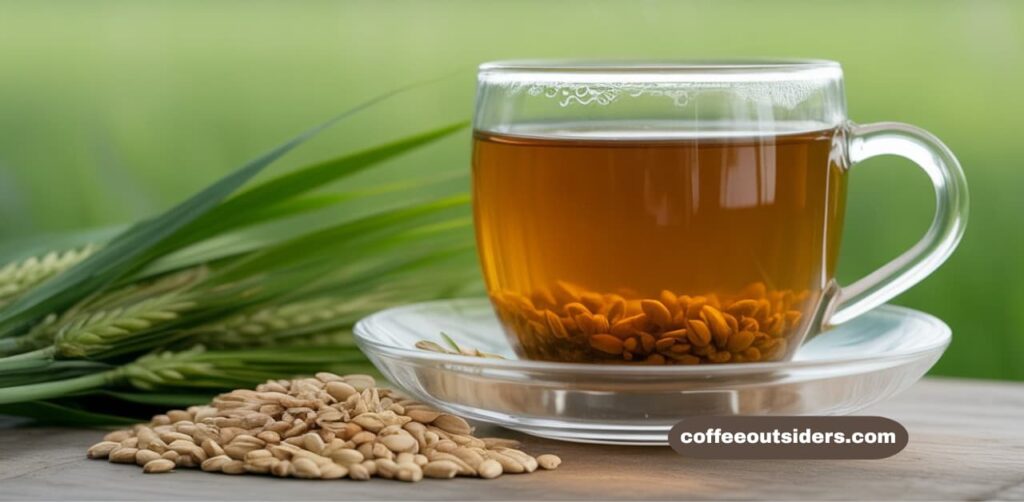
In fact, Americans mostly prefer it in the deeper summer months. Picnics are a perfect occasion to enjoy it cold, or you can brew it up for a hearty hot cup. It makes for a nice, non-caffeinated pick-me-up.
Even for tea drinkers who want to branch out, there are other caffeine-free alternatives worth trying.
Other Caffeine-Free Beverage Options
Some of the most popular choices include drinking barley tea, a flavorful beverage known for its mild flavor profile and digestive benefits.
- Chamomile, peppermint, rooibos, and hibiscus are excellent caffeine-free options. Chamomile brings relaxing benefits, peppermint makes for a good flavor blossom, and rooibos is naturally high in antioxidants.
- Hibiscus tea, despite its ruby red color and tangy, slightly sweet flavor, is high in vitamin C.
- Naturally sweet and colorful, lemon, orange, or berry-infused water makes a fun, refreshing drink. These can be made by infusing sliced pieces of fresh or dehydrated fruits into cold water overnight for a refreshing, colorful, and nutrient-dense beverage!
- Drinks such as dandelion root tea or chicory coffee substitute in for the roasted flavors of barley tea and stay caffeine-free.
- For something a little more exotic, go with cinnamon tea, which features a warming, slightly spicy flavor.
Experimenting with Flavors and Homemade Drinks
Making the exploration of flavors a fun part of your new hydration ritual can help you enjoy every sip. Experiment mixing herbal teas with fruit infusions to come up with interesting new combinations.
Try experimenting with flavor pairings, like hibiscus and mint or chamomile and a touch of citrus! Homemade beverages allow complete control over ingredients, ensuring freshness and customization.
Start your refreshing summer beverage with a brew of hibiscus tea. Just chill, and then add a squeeze of lime juice for a great refreshing zesty kick.
Conclusion
With its rich, nutty flavor and plentiful health benefits, barley tea is a great addition to your caffeine-free repertoire. Because it’s caffeine free, you can truly enjoy it at any time of the day. It’s ideal for relaxing in the evening or enjoying a cozy cup of tea. After just a few basic brewing steps, it’s simple to enjoy tea at home and tailor it to your taste preferences.
While it is quite safe to consume, being attentive to how your body responds allows you to appreciate it to the fullest. For anyone looking for a caffeine-free option, red teas such as rooibos or herbal teas like chamomile can be attractive alternatives. Introducing barley tea to your lifestyle is an easy way to shake things up and enjoy some new, refreshing beverage options. So take it for a spin and discover how Astoria can complement your healthy and active lifestyle. It may very well become your secret to better health.
Frequently Asked Questions
Specifically, no, barley tea, a popular beverage, is naturally caffeine-free. It’s a wonderful replacement for coffee or regular tea if you’re trying to cut down on caffeine.
So, can you drink barley tea daily? Not only is this popular beverage a hydrating, low-calorie drink, but it also offers impressive health benefits, making it a healthy alternative. As with traditional drinks, moderation is essential to prevent any uncommon adverse effects.
Yes, drinking barley tea is generally safe during pregnancy because it’s caffeine-free. As with any new food, including this flavorful beverage in your diet, it’s wise to consult your doctor to ensure it’s a good fit for you.
Barley tea, a popular beverage known for its mild flavor, is packed with antioxidants that promote digestion and help circulate blood flow, making it a healthy alternative to sugary drinks.
To make a flavorful beverage like barley tea, bring 1–2 T roasted barley and 4 cups water to a boil, then lower heat and simmer for 10–15 min. Strain and enjoy warm or as a cold brew.
Yes, herbal teas such as chamomile, rooibos, or peppermint would be good alternatives. These flavorful beverages are naturally caffeine-free and provide tremendous digestive benefits.
To conclude, drinking barley tea is safe for most people. In unusual instances, this manifests as mild bloating or an allergic reaction. If you experience digestive discomfort, cut back on the dose or talk to your doctor.