
Does a Latte Have More Caffeine Than a Cappuccino?
Yes, a latte does have caffeine. Since lattes are made with espresso, they pack a good amount of caffeine. So, it really depends on how many espresso shots you’re putting in it on how much caffeine it has.
A typical espresso shot contains about 63 milligrams of caffeine. The truth is, many cafes will do a latte with one espresso shot. Based on this, you can find anywhere from 63 to 126mg of caffeine in your cup.
While the steamed milk doesn’t weaken the caffeine, it does add a smooth mouthfeel and mellows out the flavor of the espresso. If you know that you are sensitive to caffeine, don’t worry – you’ve got choices!
Opt for a single-shot latte or savor a decaf espresso for a gentler hit. Knowing these facts allows you to make an informed decision about what drink will best suit your needs.
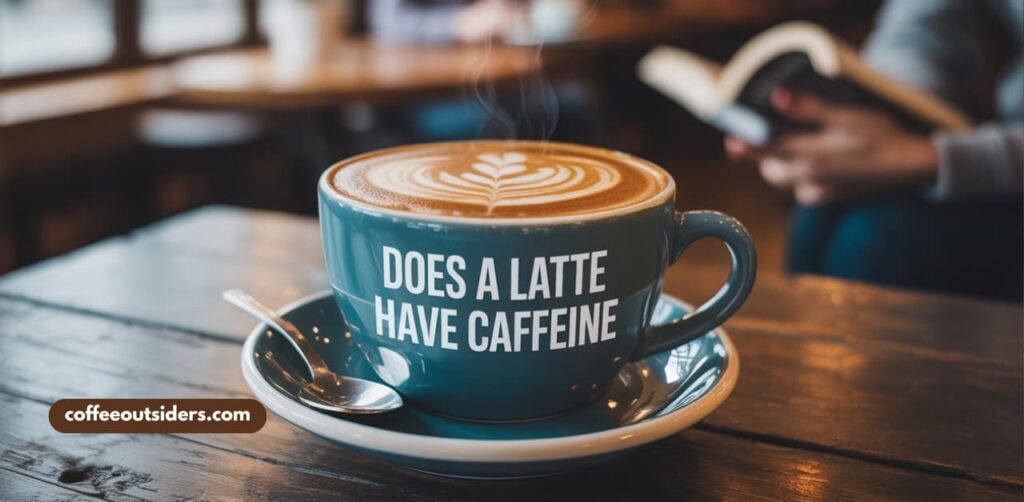
- A latte is a popular coffee beverage made with espresso and steamed milk, offering a creamy texture and moderate caffeine content. Its preparation and ingredients result in a beautifully balanced drink that many coffee lovers have come to know and love.
- Lattes do have caffeine, with an average cup providing approximately 128 milligrams. Basically, the caffeine content will vary depending on how many espresso shots you get. It has to do, of course, with what coffee beans you’re using, how you prepare them, etc.
- Espresso is the primary source of caffeine in a latte. The caffeine level is influenced by factors such as espresso shot strength, extraction time, and the number of shots added.
- Milk volume in caffe latte lattes contributes to an overall lower caffeine concentration. Larger lattes will tend to have relatively less caffeine per ounce. A smaller-sized latte will give you a more intense caffeine experience.
- Decaf lattes provide a mouthwatering choice for your caffeine-sensitive friends. In turn, they provide the robust depth of coffee flavor but have a negligible level of caffeine. There’s a decaf revolution brewing, and rightfully so.
- You can easily have a lower caffeine no matter how you drink espresso by ordering a single espresso shot in your latte. Or, opt for decaf espresso, or more milk for a creamier, less caffeinated beverage.
What is a Latte?
A latte is a warm, cozy, creamy hug in a cup made with espresso and silky steamed milk. Its deep color, full body and creamy flavor come from the extra, premium dark roast espresso. The buttery texture of milk foam only adds to this charming escapade.
A great latte is all about balance. It’s a friendly, accessible option for anyone who just wants to explore that full-bodied flavor of espresso, alongside the creaminess and sweetness of milk.
Key Latte Components
A traditional latte is made with three essential ingredients: espresso, steamed milk, and milk foam. The espresso is what gives a latte its base, strong flavor and caffeine kick. Typically, a latte follows a 2:1 ratio, with two parts milk to one part espresso.
This ratio plays a role in making it creamier than other drinks such as macchiatos, which use less milk. The quality and consistency of milk makes a big difference in flavor and texture. Steamed milk adds the creaminess, and the microfoam lends a light, airy finish.
Variations such as oat or almond milk add even more flavor and creativity, providing choices to those with dietary restrictions. The quality of espresso is imperative, as that is the very base of the drink.
Caffeine, or lack thereof, is also a consideration. A single shot of espresso packs around 64 mg of caffeine. So that means even a standard 8-ounce latte has about 63 mg of caffeine too.
In comparison, brewed coffee in the same size can vary from 170–220 mg of caffeine, depending on how it’s brewed. Larger lattes, like a 16-ounce grande, usually come with the double shot, doubling the caffeine to about 125 mg.
Latte Preparation Explained
Making a latte from scratch begins with brewing rich espresso. Quality beans and the right grind consistency make all the difference. Getting the perfect texture when frothing milk takes practice.
Your steamed milk needs to be velvety, and the microfoam needs to be silky smooth. The most essential tools for a barista are an espresso machine and a milk frother.
They train and retrain to massage the craft into ornate, Instagram-worthy latte art. Intricate designs such as hearts or rosettas are the finishing touches that increase a beverage’s beauty and make it even more enjoyable.
Does a Latte Have Caffeine?
As one of the most popular drinks ordered at a coffee shop, it’s no surprise that lattes are very popular, and yes, they’re caffeinated. The caffeine comes from the espresso shots that serve as the base of the drink.
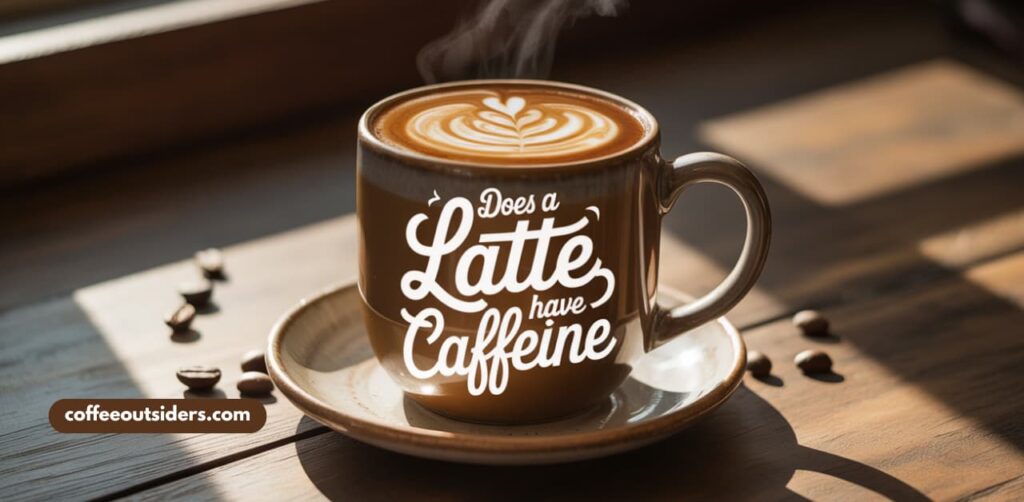
Lattes are cute, and we know you love them for their creamy frothiness and naturally sweet taste. After all, their caffeine comic coloring only adds to their beauty, providing a delightful and reasonable energy lift for weary dreamers.
Caffeine Content in Lattes
Since the average 16 fl oz latte is made with a double shot of espresso, it comes out to approximately 125.6 mg caffeine. It depends on how many shots of espresso you make it with.
It’s the same with the type of coffee beans you use and what brewing method you choose. A standard 8 fl oz latte with one shot of espresso clocks in at about 63 mg of caffeine. That’s a bit less than the 95 mg in a typical 8 fl oz cup of brewed coffee.
Using a double-shot latte increases the caffeine content to around 128 mg. This provides you with a little bit of a stronger kick! Major coffee chains like Starbucks often standardize their latte recipes, but customization options like additional shots or decaffeinated espresso can affect caffeine levels.
It’s important to mention here that decaf lattes will always have a little bit of caffeine.
Espresso’s Role in Caffeine Levels
Espresso makes up the majority of a latte’s caffeine content. Factors such as the strength and extraction process of the espresso shots determine the final level of caffeine in the drink.
One shot creates just the right amount of energy, but when you order a latte with two shots, you’re doubling your caffeine kick. High-quality espresso, in addition to its caffeine content, builds the latte’s flavor, mixing the strong flavors of coffee and the smoothness of the milk.
Factors Affecting Latte Caffeine Levels
The total caffeine in a latte really depends on various factors, such as the type of coffee beans used and the coffee methods employed to make your espresso. Understanding these elements will help you tailor your caffeine intake levels to enhance your latte experience and enjoy your perfect latte.
1. Coffee Bean Variety Impacts
Coffee bean type has a big impact on latte caffeine content. Arabica beans provide the smooth, mild flavor coffee drinkers have come to love. On the other hand, Robusta beans produce a thicker, darker taste with a greater caffeine impact.
For instance, Robusta beans are almost double the caffeine amount as Arabica. Arabica beans make up the majority of lattes, which leads to a lower caffeine concentration. Going for Robusta or blends with a higher Robusta percentage increases the caffeine content of your latte.
This is at the expense of a more robust taste.
2. Roast Level and Caffeine
Roast level plays a role. In fact, contrary to popular belief, darker roasts don’t contain higher amounts of caffeine. Roasting makes the beans less dense, even making dark roasts a little lower in caffeine than lighter roasts.
With bolder flavors from darker roasts, we can still end up with a stronger-tasting latte even if the caffeine levels are about the same. When it comes to selecting the best roast for your drink, think about what you want more—flavor or caffeine.
3. Number of Espresso Shots
Each shot of espresso in a latte has 63 mg of caffeine, contributing to the overall caffeine content of this popular coffee drink. A typical latte is made with one shot, but if you add a second shot, you’ll enjoy an intense coffee flavor with 126 mg of caffeine. Most coffee shops let you customize your beverage choices, allowing you to order additional shots for a bigger boost.
4. Extraction Time Influence
Espresso extraction time directly affects caffeine. With espresso, extraction time is a huge influencer. Proper extraction times allow for a harmonious flavor profile and the perfect amount of caffeine.
Over-extraction will cause a bitter taste and doesn’t raise caffeine much. Baristas commonly shoot for 25-30 seconds for best flavor.
5. Milk Volume Considerations
Milk frothing techniques can make each shot less concentrated in caffeine, leading to a larger latte with fewer caffeine ounces in proportion to its size. For a stronger coffee experience, consider ordering smaller servings or adjusting the milk-to-espresso ratio for that perfect latte.
Latte vs. Other Coffee Drinks
When comparing lattes to other coffee beverages, understanding the coffee strength and how much espresso each drink contains reveals significant differences. Since each drink caters to various caffeine preferences and flavor profiles, it’s essential to explore these distinctions further.
Latte vs. Brewed Coffee Caffeine
A typical 16 oz latte is going to have 173 mg of caffeine. In comparison, a similarly-sized brewed coffee typically comes in under 200 mg. The difference is in how you prepare each drink.
With brewed coffee, the extraction is done by hot water passing over ground coffee, resulting in a stronger concentration of caffeine. Lattes combine 1/3 espresso (about 63 mg per shot) with 2/3 steamed milk and foam, diluting the caffeine.
Serving sizes vary too—brewed coffee is more likely to be served in larger sizes, contributing to more caffeine. Whether you’re looking for a milder caffeine option without sacrificing a creamy mouthfeel or just a bowl of cozy, lattes fit the bill.
Latte vs. Espresso Caffeine
Espresso is the base of a latte. Keep in mind that one espresso shot has about 63 mg of caffeine in a 1 oz very concentrated shot. Where straight espresso provides a strong wakeup call, lattes mix in foam and steamed milk to cut the flavor’s edge.
Adding additional espresso shots to your latte can really boost the caffeine. Choose espresso if you’re looking for a quick, strong jolt of energy, lattes if you want a longer, more consistent feed of caffeine.
Latte vs. Macchiato Caffeine
Macchiatos punch above their weight in a 1–2 oz size. With under 85 mg of caffeine and just a splash of milk, they pack the rich flavor of coffee.
The 13 calories of a traditional macchiato are quite the difference from a latte’s 206 calories. Choose macchiatos for a strong, few-calorie choice or lattes for a smooth, rich treat.
Latte Variations and Caffeine
Lattes are quite variable, with lots of different forms and features that play a role in determining their caffeine levels. A plain, classic latte begins with one shot of espresso, which has approximately 64 mg of caffeine. The espresso swirling with steamed milk results in the sublime beverage.
This leaves an 8-ounce latte with about 63 mg of caffeine. Variations such as a double-shot latte, which uses two espresso shots, increase the caffeine content to about 128 mg. What kind of milk you get, almond or oat, won’t affect the caffeine, either.
Rather, it empowers you with choices that meet your unique dietary needs. Seasonal lattes, such as pumpkin spice or peppermint mochas, introduce tasty seasonal flavors, but keep the same caffeine content unless you order them differently.
Iced Latte Caffeine Levels
Iced lattes typically equal hot lattes in caffeine amount because they use the same espresso-to-milk ratio. The preparation, though, creates some subtle variations. Iced lattes are simply the same drink served over ice, usually made with cold milk rather than steamed milk.
This different choice makes a big difference in texture and temperature, but it doesn’t affect caffeine. In the summer, iced lattes are some of the most popular drinks due to their cool, quickening effect. If you prefer a stronger caffeine kick, request an additional shot of espresso.
Try decaf instead for a less intense choice.
Flavored Lattes and Caffeine
Flavored syrups, such as vanilla or caramel, add sweetness and flavor to lattes but do not affect their caffeine content. A vanilla latte, for instance, will still have 63 mg of caffeine with a one-shot latte. Flavors can overwhelm the intensity of the espresso, leading to perceptions of a milder beverage.
Seasonal favorites like gingerbread or eggnog lattes usually fall into this category, bringing flavor variety without messing with the caffeine.
Latte Macchiato Caffeine
A latte macchiato is different because of the layering. The milk goes in first and the espresso last, resulting in a more visually striking drink. Its caffeine content is on par with a regular latte, about 63 mg for a single shot.
This complex, layered style is sure to impress lovers of the artistic experience who want to expand their coffee experience.
Decaf Latte: What to Know
A decaf latte is crafted using decaffeinated coffee beans, steamed milk, and optional sweeteners or flavor add-ins like caramel or cocoa powder. Decaf refers to coffee that is decaffeinated, which means the decaffeination process removes most of the caffeine—up to 97%—leaving only trace amounts.
In decafs, these beans are typically Arabica, known for their milder taste. Other blends will include Robusta beans to provide a deeper flavor. Decaf lattes are a healthy choice for anyone looking to enjoy coffee without the stimulating effects of caffeine.
They’re great for health-minded consumers or anyone just wanting to wind down in the evening.
Decaf Espresso Explained
Decaffeination methods such as the Swiss Water Process and CO2 Extraction are able to safely and deliciously remove caffeine while retaining the beans’ intrinsic flavors. Delicious decaf espresso beans can still give you that decadent coffee flavor that combines smooth and deep tones while leaving the caffeine behind.
Name brand options such as Lavazza Decaf and Kicking Horse Decaf provide a strong punch. This richness combines beautifully with milk in lattes. Just because it’s caffeine-free doesn’t mean you should settle for wimpy flavor.
With all of espresso’s rich depth intact, decaf espresso is a wonderful treat at any time of day.
Caffeine in Decaf Lattes
Decaf lattes might not be as caffeinated as their regular counterparts, but they’re still not completely caffeine-free. That said, a 16 fl oz decaf latte might still have 5-10 mg of caffeine.
In comparison, a standard latte with two shots of espresso delivers a mighty 125.6 mg of caffeine. A decaf latte provides the perfect treat for anyone watching their caffeine levels.
They can really hit the spot as a creamy coffee alternative, sans jitters! They easily fit within daily caffeine limits, providing convenience and agility for coffee consumers in pursuit of moderation.
Health and Dietary Considerations
Knowing how caffeine impacts your dietary lifestyle and overall wellness is key to achieving your healthiest self. We all know that caffeine directly affects energy levels and focus, and for many, mood as well. Lattes, often the drink of choice for American coffee drinkers, increase daily caffeine consumption.
A typical 16-ounce latte has about 173 milligrams of caffeine, a good amount but well within recommended limits to enjoy without worry. When sipped in moderation, lattes can complement your healthy diet. With their awesome kick of flavor and energy, they fit seamlessly into the rest of your healthy diet.
Understanding Caffeine Intake
It’s important to track caffeine intake to ensure you’re not overstimulating your riders and to keep their energy levels soaring. Though a latte may be your main line of caffeine defense, caffeine lurks in tea, chocolate and even some over-the-counter medicines.
Managing intake means balancing these sources. For instance, if a latte in the morning is your regular go-to, switch to something less intense—even opt for herbal teas in the afternoon. An average 8-ounce coffee contains about 96 milligrams of caffeine.
Just a small to moderate intake will go a long way in helping you feel less tired and increasing your concentration levels. Understanding what these added ingredients are keeps our diets balanced. For example, cream has 52 calories per tablespoon and milk only has 9 calories per tablespoon.
Recommended Daily Caffeine
The FDA currently recommends eating no more than 400 milligrams of caffeine per day. That gives room for a daily latte or two if your gut can handle it. Individual limits will be different, so the most important thing is to adjust based on your personal sensitivity.
Combining caffeine with balanced, nutrient-dense meals helps you support your health while you caffeinate. As an example, two regular lattes and a decaf latte later in the day would meet these guidelines.
Caffeine Sensitivity Awareness
Individual caffeine sensitivity varies greatly. Signs such as restlessness or rapid heartbeat indicate that you have consumed too much. Sensitive folks typically do go for smaller sizes or decaf coffee, after all.
These alternatives offer considerable health benefits, such as an 11% reduced risk of stroke with two or more cups of decaf per day. Listening to your body is the best way to tailor caffeine choices to your needs.
Reducing Caffeine in Your Latte
If you need to cut back on caffeine, lattes are the perfect drink, especially when using quality espresso machines to create a delicious latte. You can modify them using various coffees and milk frothing techniques to achieve the right milk consistency for your caffeine preferences.
Opt for a Single Shot
Opting for a single shot of espresso can drop the caffeine level in your latte in half. It’s a quick change to implement – consumers will appreciate it! A standard single shot of espresso contains around 63 milligrams of caffeine.
It’s the perfect pick for caffeine consumers looking to enjoy their coffee without caffeine overload. This approach has been successful in providing the signature coffee taste while delivering lower caffeine.
Next time you place an order, ask for a “single-shot latte” at your local coffee shop to get the ideal mix. This is an option especially suited for anyone hoping to avoid the anxious feeling or evening energy slump caused by caffeine.
Choose Decaf Options
For decaf lattes, a great option for people who get jittery from caffeine. Thanks to advances in caffeine-removal processes, high-quality decaf options have become readily available, preserving much of the bold flavor of regular coffee without the stimulating after-effects.
Between new offerings of quality decaf specialty blends and barista latte art skills, you’re bound to find a decaf latte that more than satisfies your tastes. Adventuring to the local coffee shop to find the best decaf can put you in touch with some delicious new beans and reduce your overall caffeine intake.
Dilute with More Milk
Increasing the milk content in your latte both lowers the drink’s caffeine level and results in a creamier, smoother beverage. This technique helps mellow out the espresso’s punch, rounding out the flavor of the latte.
Play around with how much milk and espresso you use to strike the right balance between latte and espresso for your preference. This approach works for anyone who wants a delicious drink that won’t send them over the edge.
Comparing Coffeehouse Latte Caffeine
Understanding the caffeine content in popular coffee drinks like lattes will help you make informed choices. While the main ingredients—milk and espresso—remain constant, various coffee methods can significantly influence the overall caffeine content.
Variations Across Brands
Each coffeehouse has their own recipe for making lattes, which can significantly change the caffeine content. Starbucks’ Grande Latte, the same 16 fl oz size, provides two shots of espresso for a total of about 150 mg of caffeine.
In comparison, Dunkin’s Medium Latte (same size, 16 fl oz) has quite a bit less caffeine, at only 118 mg. This is why smaller chains and local cafes typically go for the Robusta option. These beans have more caffeine in them, which helps to fortify the strength of their lattes.
That means it’s important to look for caffeine info when you make your order since not all menus list this information clearly on the menu board. Even “decaf” lattes carry some caffeine, usually 3–10 mg per shot. Exploring local coffee shops offers diverse latte options, perfect for discovering unique tastes and caffeine profiles.
Serving Size Matters
Keep in mind that caffeine content can range depending upon the size served. A typical small latte with one espresso shot contains around 63 mg of caffeine. In comparison, a medium latte made with two espresso shots contains 125.6 mg of caffeine.
For example, a typical large latte could have up to three shots of espresso, adding up to almost 190 mg. To put that into perspective, a coffeehouse 16 fl oz latte contains about 30% of your daily caffeine limit.
Opting for smaller sizes or factoring in portion control goes a long way in avoiding excess caffeine intake, especially for the people who are most sensitive to its effects. Balancing calories is another consideration, as a latte (206 calories) significantly differs from a cappuccino (130 calories) or macchiato (13 calories).
Conclusion
Lattes offer more than just a rich, silky flavor. They come fully loaded with caffeine, instantly making the lattes a go-to for coffee enthusiasts. Its caffeine content will depend on a number of other factors. This varies based on your espresso shot count, milk ratio, and if you get decaf or normal brewed in the latte. When you compare a latte to drinks like a cappuccino or cold brew, lattes become a great choice for caffeine customization versatility. Whether you’re looking for a strong morning jolt or something with less caffeine throughout the day, lattes can provide that versatility.
Want to know how much caffeine is in your cup? Talk to your barista about your options or learn how to make it work for you! Knowing your latte is the first step to enjoying it however you like. Understand the whole picture, choose wisely, and enjoy every delicious sip.
Frequently Asked Questions
In short, yes, a latte has caffeine. It’s traditionally made with a shot of espresso, which is a super concentrated coffee, and steamed milk. The overall caffeine content in a latte depends on the coffee ratio of espresso shots used.
A typical full-size 12-ounce latte, a popular coffee drink, can contain a caffeine content ranging from 63 to 126 mg, depending on whether you choose one or two espresso shots. For a precise measurement, ask your barista about the coffee ratio used.
The short answer is no, a latte isn’t stronger than regular black coffee. The milk frothing techniques used to create a creamy latte dilute the espresso flavor, resulting in a milder taste with less caffeine concentration per ounce.
You can still order a decaf latte, which is a popular coffee drink prepared with decaffeinated espresso, maintaining the same delicious creaminess while reducing overall caffeine content.
If a latte and cappuccino use the same amount of espresso, their caffeine content would be the same. More specifically, the milk frothing techniques and milk-to-foam ratio – not the caffeine level – determine the difference between these two popular coffee beverages.
The main variables influencing your coffee drink are how many shots of espresso you choose and the size of your beverage. Beyond that, the type of beans used is essential for achieving the perfect latte or cappuccino.
You could request fewer shots of espresso or opt for a decaf vanilla latte to reduce your overall caffeine consumption.