

What is the Difference Between my Coffee Cup and my Tea cup?
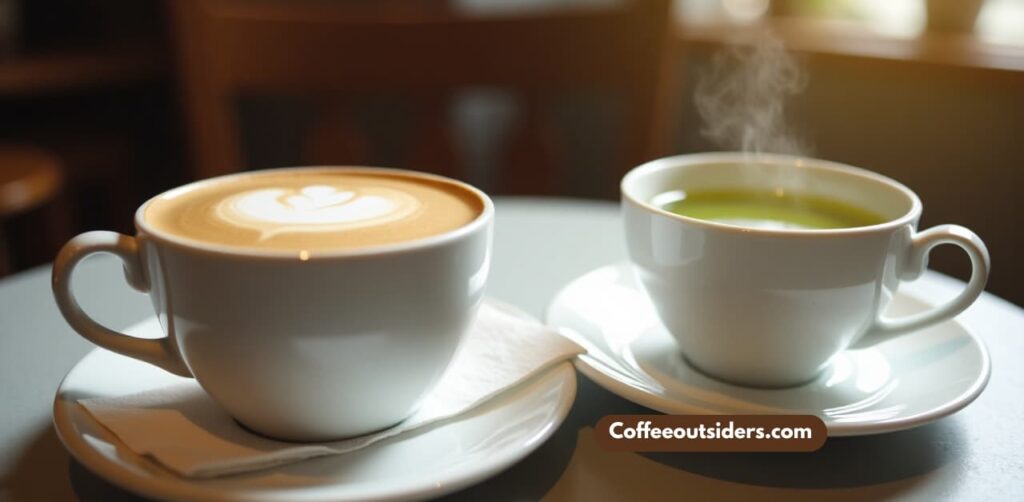
The biggest difference between a coffee cup and a teacup has to do with their size and design. Coffee cups are typically larger with insulated walls to keep their contents hot. In comparison, teacups are more petite and are usually made with slimmer walls for an elegant feel.
Handles on teacups are intentionally designed to be smaller, in keeping with traditional tea-drinking customs. These variances allow for their respective serving styles and temperatures, making each beverage experience unique and more enjoyable. We’re going to unpack this in much more detail.
- Coffee cups and teacups have different historical backgrounds that influenced their purposes and forms. Coffee cups developed in tandem with coffeehouses, featuring unique and decorative designs with functional options. In comparison, teacups were based on ceremonial patterns and exquisite artistry.
- These design distinctions between coffee cups and teacups are pretty big. Their shape, size, and wall thickness play a direct role in heat retention, aroma release, and your overall drinking experience. This renders each cup ideal for its respective beverage.
- Ceramics, porcelain and fine bone china materials are prevalent in cup manufacturing for vaporizing tea. Each one affects durability, aesthetics, and flavor in different ways. For example, ceramic provides adaptability for coffee service, whereas fine bone china is much coveted for tea cups.
- Cup design is heavily dictated by cultural and regional influences. Coffee cups often show more heavily modern-day, utilitarian use while teacups still hold on to older patterns and epic, ceremonial, culture.
- Recent developments in cup design have produced insulated travel mugs for coffee drinkers, or sleek and geometric teacups that complement a minimalistic home decor. Sustainable materials and eco-friendly designs are trending too on both.
- When it comes down to it, the right cup can make or break your beverage experience. By choosing the proper shape, size, and material, you can enhance temperature, flavor, and aroma, creating a more enjoyable sipping experience.
Coffee Cups and Teacups: Origins
The origins of coffee cups and teacups are pretty interesting. They are inextricably tied to the identities and histories of the beverages they each represent. While they had a practical purpose, these vessels were meaningful. They did reflect the traditions and values of the societies that created and used them.
Understanding them in historical context allows us to understand the complex evolution that predetermined the direction molded by material, craft, and cultural exchange.

Coffee’s Historical Vessels
Early teacups were made from the materials available based on location, trade routes, and cultural practice. The habit of coffee drinking began in the Middle East. There, one would typically drink from small cups usually made of earthenware or metal materials, such as brass or copper.
These vessels were made to keep the heat of the beverage, coffee being served very hot at times. The aesthetic treatment of such materials had cultural significance, with highly ornate decorations often denoting high social status or wealth.
So when coffee slipped into Europe in the 17th century, coffee vessels underwent another design transformation. Functional plain wooden and ceramic mugs have been replaced by elaborate porcelain and glass teacups. This change demonstrates how quickly coffee became the drink of choice amongst the elite.
Once again, by the time of the 18th century, coffeehouses became central to sociability itself, further influencing aesthetics and usage on styles of cup. These establishments preferred durable and beautiful cups, encouraging a combination of utility and aesthetics to inform their design.
The demitasse cup, a small, handleless, elegant drawing medium, quickly became a sign of the very upscale coffee culture in France and Italy.
Tea’s Traditional Cups
Teacups have a diverse history originating from the East, particularly that of China and Japan. For hundreds of years, people back there drank tea before it ever arrived in Europe. In contrast, in Asian cultures, traditional teacups became an important part of intricate tea ceremonies that emphasized respect and awareness. These ceremonies often showcased various tea varieties, allowing tea enthusiasts to appreciate the delicate flavors of different teas.
Traditional Chinese teacups were tiny and handle-less. Craftsmen developed them in hard-paste porcelain, produced with kaolin and petunse, China’s trademark porcelain ingredients. These elegant cups showcased the tea’s color and aroma, enriching the overall tea experience and delighting tea drinkers.
When tea came to Europe, it led to a rush to recreate Chinese porcelain. By replacing soft-paste porcelain with hard-paste porcelain and later with bone china in England, early European attempts were made to mimic the beauty of these fine bone china cups.
Every stage in this evolution demonstrated the cutting-edge level of craftsmanship as well as the impact of cultural interchange at that time. Designs which often included both stunning silhouettes and complex geometric patterns influenced by Eastern designs never compromised on functionality, making them ideal for tea drinking.
Coffee Cup vs. Teacup: Design Differences
Teacups and coffee mugs each feature easily identifiable designs rooted in their primary function, influencing cultural values and social networks. Different teas are best enjoyed in traditional teacups, while a favorite coffee mug enhances the coffee experience. The shape, size, material, and decoration of these elegant cups serve to enrich our enjoyment of both coffee and tea.
1. Shape and Size: A Comparative Look
| Cup Type | Typical Size (Fluid Ounces) |
| Coffee Cup | 6–12 oz (standard), up to 20 oz for larger mugs |
| Teacup | 4–6 oz (standard), smaller sizes for traditional styles |
Coffee cups are often more ambiguous in size. They can be as small as the thick-walled tazzina used for short shots of espresso in Italy, to the oversized mugs that are the darling of America. Teacups are generally smaller, finer, and more delicate.
In China, traditional pinming bei only hold a few ounces. Shape is extremely important. The broader rims of teacups help the tea cool faster so you can sip it sooner, whereas the narrower openings of coffee cups better retain heat.
2. Handle Design and Ergonomics
Teacups have small decorative handles, and many of them require only a delicate, pinching grip – the thumb and two fingers. This is in contrast to the bigger, sturdier handles found on coffee cups, which provide a more secure grasp.
Cultural preferences influence these designs. For example, the Middle Eastern fincan and the Chinese pinming bei both remove the handle, inviting a more direct tactile engagement with the cup. Larger handles are the norm in Western coffee culture, offering a more comfortable experience for long-term holding hands.
3. Material Selection and Impact
Teacups are typically made of expert porcelain or bone china, valued for their thinness and translucent look, as well as their satiny feel. Coffee cups, although they can be made from some of the same fancy materials, often incorporate ceramic or glass to increase sturdiness.
Materials not only affect function but aesthetics too. Vietnamese coffee served in transparent glass showcases the beautiful layers that form, and hand-painted teacups make any cupping ceremony feel special. Environmental concerns have started to demand greener alternatives, such as bamboo or recycled glass.
4. Wall Thickness and Insulation
These thicker walls improve the drinking experience by keeping hot drinks warm for a longer time. Teacups, having finer walls, would let the tea cool down much faster, matching the way tea is traditionally sipped.
Though thicker walls would make the piece more durable, it would lose that delicate tactile experience that thinner walled teacups have.
5. Aesthetic and Decorative Elements
Teacups usually feature elaborate floral designs or gold trim, focusing on elegance. Coffee cups often take a more contemporary approach or feature bright, vibrant colors.
The popular trend for minimalism affects both, with a thin, simple, plain aesthetic reigning supreme. Both as expressions of cultural identities and as ways to deepen the sensory pleasure of drinking coffee and tea, decorative elements play a valuable role.
Material Matters: Cup Composition
When considering coffee cups and teacups, their material composition significantly influences durability, appearance, and user experience, especially for tea enthusiasts and coffee drinkers alike. These aspects of durability and functionality are essential, but the choice of material, such as fine bone china cups or modern coffee mugs, speaks to cultural practices and aesthetic preferences.
Coffee Cup Materials Overview
Common materials for coffee cups include:
- Durable, retains heat well, and widely used in homes and cafes.
- Porcelain: Offers a smooth, elegant finish and higher resistance to staining.
- Borosilicate glass is popular for its lightweight and thermal resistance.
- Used in travel mugs for excellent insulation and portability.
- Found in disposable cups, often lined with plastic for waterproofing.
Ceramic and porcelain materials were the primary mediums for traditional coffee cup manufacturing because they effectively held heat and endured the usual actions taken against a coffee container. Porcelain especially is prized for its manufactured sheen and strength, often fetching commensurate prices.
One example, as porcelain coffee cups get very elaborate, such a cup can cost between $10 and $50. As on-the-go coffee culture took off, reusable travel mugs become popular. These are usually made of stainless steel or BPA-free plastic that focuses on insulation and spill-proofing.
As convenient as they are, the environmental toll of the disposable paper cup has come under fire. Many of these cups are lined with polyethylene making them nearly impossible to recycle, so there’s been a growing interest in reusable options.
Teacup Materials Overview
Common materials for teacups include:
- Lightweight, translucent, and highly durable, often used in luxury designs.
- Smooth and elegant, often found in traditional tea sets.
- Ceramic: Includes stoneware, which is chip-resistant and affordable.
- Modern designs use tempered glass for a minimalist aesthetic.
Bone china has a prestigious history when it comes to teacup design. Manufactured entirely from porcelain body with bone ash, it maximizes translucency and strength to an exceptional level. Approximately 90% of the world’s bone china is made in the UK – a testament to its rich heritage of craftsmanship.
Luxury bone china teacups from high-end brands like Wedgwood and Royal Albert can cost hundreds or even thousands of dollars. This is particularly the case for hand-painted or otherwise collectible items. Today, traditional and modern teacups feature ceramic and stoneware, known for their sturdiness and cost-effectiveness.
Stoneware, fired at high temperatures, provides an extra-durable, chip-resistant option for hashery and home.
Impact of Material on Taste
The cup’s material can play a quiet but critical role in shaping the taste and aroma of whatever you’re drinking. Both ceramic and bone china are non-porous materials that do not alter or affect the natural flavors of tea and coffee.
At the same time, glass spots beauty and helps aromas take center stage. Porcelain’s delicate walls make sure tea cools quickly to a drinkable temperature, making even the hottest tea more comfortable to consume.
Consumer preferences are highly dynamic, with some consumers preferring the look of glass, with its cool neutrality, while others prefer the warm aesthetic associated with ceramic.
Thermal Properties and Drink Experience
The thermal properties of coffee mugs and elegant cups significantly influence the drink experience. These properties dictate everything from how well they retain temperature to how the flavors and aromas of the beverages like tea and coffee unfold. Understanding this requires exploring how various tea cup designs and materials impact the thermal performance of these drinkware.
Heat Retention in Coffee Cups
Coffee cups, particularly mug-type cups, are generally bigger. They typically have a smaller capacity, ranging from 10 to 13 ounces. Their larger size and tapered cylindrical design contribute to increased heat retention, which is important for keeping the coffee warm for longer.
Materials such as ceramic and insulated stainless steel are popular because they prevent heat from escaping. Thermal double-walled mugs and vacuum insulated tumblers are magical! They significantly reduce heat transfer, so your coffee remains at the ideal drinking temperature for considerably longer.
Retaining heat also plays a more direct role in the coffee’s flavor and aroma. If coffee cools down too fast, the harmony of acidity and bitterness changes, refreshing coffee’s overall flavor profile. Higher temperatures increase the extraction of volatile compounds. This keeps the flavor consistent from the first sip all the way to the last.
To maximize your drink experience, brew and serve coffee between 120°F and 160°F. This range helps maintain warmth without incurring any risk of burns.
Heat Dissipation in Teacups
Teacups, designed to hold only 4 to 6 ounces, are much smaller by design, making them ideal for tea enthusiasts who appreciate delicate flavors. The larger, broader rim of a teacup allows heat to escape more quickly, which is particularly beneficial for fragile teas like green tea or white tea. This ergonomic design not only ensures a comfortable drinking temperature but also prepares your favorite tea for drinking faster.
The faster cooling of tea impacts its flavor and overall tea experience, distinguishing it from that of coffee. For example, oolong and black teas can reveal deeper, more complex flavors when enjoyed at slightly cooler temperatures. To achieve optimal enjoyment, reach for a range from 130°F to 160°F, which allows the beautiful collection of complex aromas to come to the forefront, enriching the tasting experience for tea drinkers.
Incorporating different teas into your routine, such as a cozy tea or a refreshing green tea, can elevate your tea drinking moments. Whether using elegant cups or specialized tea tasting cups, the right choice enhances the overall experience. Ultimately, understanding how teacups work can transform your appreciation for tea and its many varieties.
How Temperature Affects Taste
As a result, temperature really becomes an integral component in experiencing the best flavor of coffee as well as tea. Brew your coffee around 195°F to 205°F to pull out the right balance of oils, acids, and sugars. Serve it just a shade cooler to retain these lovely aspects.
Similarly, tea needs specific brewing temperatures according to the type of tea. Green tea does best at 160°F to 180°F, but black tea prefers the higher hot end around 200°F.
Perception of aromas also vary with temperature. Whether warmer aromas or cooler palate, the beverage experience is profoundly influenced by thermal properties. This complex interaction between heat and aroma plays a huge role in shaping the drink experience.
Size and Shape: Functionality
Size and shape play huge roles in functionality—especially between coffee mugs and traditional teacups. The shape and form of these elegant cups directly impact serving sizes, enhance consumer enjoyment, and even affect how different teas and coffee flavors interact with our senses. Understanding these cups’ capacities will help us appreciate their unique manufacture and use.
Coffee Cup Capacities and Dimensions
Typical capacities include:
- Small espresso cups: 2-3 ounces
- Standard coffee mugs: 8-12 ounces
- Oversized mugs or travel cups: 16-20 ounces or more
In coffee shops, universal sizes for cups refer to certain types of beverages. An espresso is served in a tiny cup to focus all of that inky goodness. A cappuccino or latte really works well in a 12 oz cup, providing room for all that foamy milk.
At home, people like big mugs for the morning cup of coffee. Ninety percent of people love how convenient these mugs are. Contemporary coffee culture has tended to favor the convenience of the larger, 16-ounce travel mug for the on-the-go consumer.
This movement is rooted in utility and the increasing consumer preference for an experience to sip and savor.
Teacup Capacities and Dimensions
Teacups are much smaller than coffee cups, generally between 4-6 ounces. Tea mugs provide a much larger range of sizes, with a capacity of 8-12 ounces suitable for bigger servings. Across cultures, teacup sizes differ as each culture reflects their own traditions and precedents.
Japanese teacups tend to be tall and thin, and English teacups are a showcase of ornate designs often with long handles. This means the size of teacups matters a great deal to the tea-drinking experience.
Using a smaller cup means you spend more time in it, sipping slowly to enjoy each flavor note. Conversely, having larger mugs promotes a more relaxed and informal environment.
In classic tea ceremonies, the specific size and shape of each cup plays an essential role in the ceremonial act, centering focus on harmony and purity.
Shape’s Role in Aroma and Taste
As with glassware, the size and shape of a cup affects how aromas escape and therefore what we smell and how flavor is experienced. For coffee, a broader, flatter design provides more surface area for aroma diffusion, leading to a more pleasurable sensory experience.
Narrower teacups keep the heat in and focus those delicate fragrances. Coffee lovers all want a rounded bowl shape, the classic French café au lait bowl.
By comparison, teacups typically have more delicate, flared shapes that can help develop the fine notes of tea’s more delicate leaves.
Presentation and Serving Styles
No matter what beans you use, presentation is equally important when it comes to serving coffee and tea. Traditions and etiquette vary widely from culture to culture. How a drink is presented can enhance the entire experience, and in doing so reveals cultural preferences and aesthetic values.
The strong scent of the coffee is pretty distracting. The fragile nuances of tea impart a gracefulness to its serving style, thus becoming an extension of the drink’s character.
Coffee Cup Serving Etiquette
Coffee is almost always served in a manner that reflects the local culture and established flavor preferences. In Portugal, they pour their coffee into tiny, old world cups. This time-honored tradition allows the complex, deep flavors of espresso to shine through.
In the United States, jumbo-sized mugs are preferred, resulting in a more laid-back, cozy feeling. At home, most everyone likes serving coffee in big handle-cupped mugs just like my grandma used to do. This design guarantees a continuous cling and provides ample space for comfortable swigging.
This practice carries over into my life, as I still drink coffee in this culturally rich manner. On the farm, pride in presentation goes a long way to make each cup an experience, not just a caffeine intake machine. Pairing saucers with petite spoons brings an elegant flourish to your table setting.
They have practical uses, such as catching drips. Baristas often present coffee with an artistic flair, and latte art in particular has become the canvas for self-expression in contemporary coffee presentation. It’s those little touches that make people really feel the attention, artistry, and joy in their food.
Teacup Serving Etiquette
When it comes to hospitality, tea has an aura of ritual, especially in formal occasions. In Japan and China’s history of traditional tea ceremony practices, the teacup has been a deep symbolism. It represents thoughtfulness and reverence.
The deliberate choice of coordinating teacups and saucers reflects the importance of balance. Usually made of delicate fine China, these objects reveal the cultural role of aesthetics in tea service. For instance, I really enjoy breaking out my deluxe Imperial Royal Albert Gardenia set for special occasions, with its complex and delicately ornate design subtly reflected by proper elegance.
As diverse as it is, in North Africa tea is almost always served in drinking glasses, a phenomenon I hope made its way home with me. This method emphasizes the dynamic nature of tea service, incorporating cultural identity alongside utility.
When steeping tea for myself at home, I usually use lidded steeping cups to keep in the heat. Once it’s brewed, I pour it into a thin porcelain China cup, which drastically improves the drinking experience.
The Role of Saucers and Spoons
Saucers and spoons are not just pretty baubles. Saucers prevent spills and protect tables, and spoons enable careful stirring, particularly when sugar or cream is added. Matching sets, such as the one in my collection, provide a unified and aesthetically attractive presentation.
Combined, these little details go a long way towards making the experience of drinking either coffee or tea pleasant and rewarding, melding utility and creativity.
Regional and Cultural Variations
Coffee cups and tea mugs reflect the abundant cultural heritage of their respective areas. In their designs and uses, they further expose the exquisite traditions that tea enthusiasts hold dear. Design differences like these are more than stylistic choices; they influence the way we drink and engage with our products. Below, we dive into these amazing regional and cultural variations, unpacking the unique styles, traditions, and influences that shape them.
Coffee Cup Styles Around the World
Coffee cups differ widely based on geographic preferences and cultural norms. In Turkey and the Middle East, fincan are small, handle-less cups that heighten the strong flavor of Turkish coffee. Like in the former Ottoman Empire, kaveh kanes prepared coffee in small cups and quickly became known for lively communities.
In the United States, industrial-sized ceramic mugs are standard. They represent a culture that promotes convenience and encourages on-the-go lifestyles. Design is very much affected by the local coffee culture, as well.
In Italy, an espresso cup, or demitasse, is short and thick-walled. These characteristics both contribute to heat retention and the intense flavor profile we associate with espresso. Scandinavian countries favor sleek, minimalist designs that are rooted in functionality and insulation.
This option is an ideal match with their passion for deep coffee conversations in the cold weather season. Specialty coffee shops globally are increasingly adopting sleek, modern styles like double-walled glass cups, which showcase the coffee’s appearance while maintaining temperature.
| Country/Region | Coffee Cup Style | Features |
| Turkey/Middle East | Fincan | Small, handleless, ornate |
| United States | Large ceramic mugs | Big size, durable, practical |
| Italy | Demitasse | Small, thick-walled, heat-retentive |
| Scandinavia | Minimalist cups | Functional, insulated |
Teacup Traditions Across Cultures
Teacups are just as varied, shaped and decorated to match the ceremonies and traditions of each area. In Chinese and Japanese tea traditions, they pour tea into very tiny cups—think 1-2 ounces. This decision showcases the quality of the tea itself and promotes a more mindful experience.
Conversely, England’s fragile, fine-boned porcelain china teacups (4 to 6 ounces) emphasize the decorum and genteel sophistication of afternoon tea. Moroccan tea culture uses small, tall, elegant glass cups made to showcase the aesthetic beauty of mint tea.
Cultural beliefs play a large role in teacup use as well. In Asia, tiny cups reflect the notions of patience and ritual. In Europe, elaborate designs and ornamental decorations transitively express wealth and honor a tradition of craftsmanship.
For instance, English teacups typically had floral paintings that celebrated the beauty of nature.
| Country/Region | Teacup Style | Features |
| China/Japan | Small ceramic cups | 1-2 ounces, traditional, ceremonial |
| England | Porcelain teacups | 4-6 ounces, delicate, aesthetic |
| Morocco | Keesan | Small, ornate glass, visually striking |
Influence of Culture on Design
Cultural heritage plays a huge role in determining the shape and decor of a coffee and teacup. In Turkey, fincan feature elaborate designs depicting the opulence of Ottoman craftsmanship. Alongside this, in Asia, tea vessels are a material expression of minimalism, mirroring the values of Zen philosophies.
Cultural traditions play a leading role in how cup designs evolve, helping them stay fresh and modern while still paying homage to their lines of tradition. Modern influences, such as globalized trends and sustainable materials, are now blending traditional styles with contemporary functionality.
This creates designs that merge cultural identity with practicality.
Modern Cup Innovations
The development of a coffee mug and tea cups today tells a story of all these cultural changes, technological moments, and the influence of contemporary design. Today’s designs, including various tea cup designs and modern coffee mugs, prioritize aesthetics while focusing on functionality and sustainability, making the experience of drinking tea or coffee far more customized and enjoyable.
Travel Mugs and On-the-Go Options
Travel mugs have quickly become a must-have item for coffee consumers living life in the fast lane. Their immense popularity comes from features like spill-proof lids, refreshingly ergonomic designs and durable materials such as stainless steel and silicone. Technology insulation is key. Double-walled, vacuum insulation technology keeps drinks hot for 12 hours and cold much longer.
Whether you’re a daily commuter or an avid adventurer, this means that the first taste is as delicious as the last. Traveling mug design trends today place more emphasis on portability and accessibility. Compact sizing and sleek finishes—including collapsible options—speak to convenience.
With some brands providing color customization and the ability to personalize with engraved names or graphics, these reusable bottles are as chic as they are convenient. With 70% of consumers incorporating travel mugs into daily routines, these innovations address the need for practicality without sacrificing aesthetics.
Specialized Cups for Coffee Drinks
Specialized coffee mugs have emerged as a way to enhance both the presentation and experience of specific beverages. For instance, espresso cups are designed with thicker walls to maintain heat, while latte glasses showcase layered drinks through transparent materials. This attention to detail enhances the sensory experience, combining visual appeal with functionality, especially for tea enthusiasts who appreciate various tea cup designs.
Until the 1990s, traditional coffee cups were unadorned white, reflecting industrial standardization. Today, thanks to the emergence of new forms, attention-grabbing hues, and elaborate designs, they’ve become canvasses of creativity, appealing to coffee drinkers and tea drinkers alike.
Cups for cappuccinos or macchiatos often feature wider rims to accommodate latte art, while elegant cups for cold brews emphasize lightweight designs, making them ideal for a cozy tea experience.
Modern Teacup Designs and Trends
Today’s teacup designs take a more minimalist approach, with natural wood finishes, simple lines and muted colors reigning supreme. Materials such as borosilicate glass and ceramic composite balance beauty with toughness.
Adding texture like matte finishes or embossed patterns creates a rich tactile experience, aligning with the current design trend toward more tactile surfaces.
Sustainable and Eco-Friendly Options
With the increasing demand for sustainable materials, cup production has been transformed. These days, brands are making use of sustainable materials such as bamboo, recycled glass, and biodegradable plastics to whip up eco-friendly alternatives.
These designs attract the consumers who are choosing to invest their dollars with companies that demonstrate environmental responsibility, creating an expectation for the entire industry.
Cleaning and Maintenance
Proper cleaning and care of your china coffee cups and restaurant tea cups will protect their appearance and lifetime. This care makes sure you have a great drinking experience. Emalie is right in saying that the techniques and maintenance involved with each cup differ greatly depending on their material and use.
It’s really important to adhere to certain methods specific to each type. Read on to find out some of the best practices and most effective strategies for keeping these cups in tip top shape.
Caring for Coffee Cups
- Coffee cups are made from a variety of materials—ceramic, porcelain, stainless steel, and glass are all popular alternatives to plastic. For ceramic and porcelain cups, washing with hot water and a gentle dish detergent is sufficient for regular cleaning.
This brush will take care of even the most inaccessible of corners on your travel mugs. Steer clear of abrasive tools since these will tear up the surface.
- Cleaning tips for glass coffee cups: Rinse your glass cups right after use with warm water and dish soap. After washing, dry surfaces completely in order to prevent water marks.
- Avoiding Harsh Chemicals: Strong chemicals can corrode the quality and lifespan of coffee mugs. Instead, natural substitutes such as lemon juice or baking soda work wonders at removing stains.
Squeeze lemon juice directly on the tough stains and allow it to sit for 10 – 15 minutes. Afterward, make sure you rinse the area completely. Repair a tarnished cup’s luster with a paste of baking soda and a dash of table salt. To get the best results, apply the mixture with a damp cloth.
- To maintain the glossy luster of ceramic and porcelain cups, steer clear of harmful abrasive scrub pads. Cleaning with a weekly wash in the dishwasher (without a dry cycle) can ensure they are free from bacteria and microorganisms.
Wiping with a clean, soft cloth or paper towel prevents the formation of water spots, keeping the cups bright and lustrous.
Caring for Teacups
- Cleaning bone china teacups is easy. Bone china teacups are fragile—we treat them with a great deal of care. Wash hands periodically throughout the day with warm water and mild soap.
Don’t let the stone experience any extreme temperature fluctuations as this will lead to crevices and breakage.
- That’s because detailed decorations on fine china teacups and dinner plates may rub off with improper cleaning methods. Cleaning with a very soft damp sponge or cloth is the best way to protect and preserve the art.
Do not soak for extended amounts of time because it can weaken even the most delicate patterns.
- Teacups, especially those made from bone china or porcelain, need to be kept in spaces with low foot traffic to avoid accidental harm. Adding storage boxes with dividers, padding, and other protective features will help guard against chips and scratches.
Addressing Stain and Residue
- Coffee stains, while unbelievably annoying, are actually quite easy to clean up with the right natural coffee stain removal techniques. If you do run into discoloration, a paste of baking soda and water, rubbed in with a non-abrasive cloth will usually do the trick.
If you’re dealing with persistent stains, sprinkle on a bit of salt for added abrasive strength.
- Tea residue can frequently leave a reddish-brown ring in teacups. To get it out, wet the cup first, then add baking soda to the stain and scrub gently.
Rinse well, then wash with soap to return the cup to a hygienic state.
- Beware of metal scrubbers, which can leave scratches on the surface of both coffee and teacup. Over-soaking is another thing you’ll want to avoid, as it breaks down the material over time.
Conclusion
Those clerks aren’t your average coffee cup and teacup. Their designs, materials and uses tell the story of centuries of tradition, culture and practicality. Coffee cups emphasize heat retention and a bold statement, but teacups prioritize a refined elegance and featherlike touch. Each is an opportunity for a different designation, made distinct by how wide, long, and deep they are. Today’s designs combine convenience and fashion, providing a range of solutions for any aesthetic.
Whether you’re sipping tea in a fine porcelain cup or enjoying coffee in a sturdy ceramic mug, the choice adds to the ritual. Choosing the best one adds to the pleasure and individuality of your drink. Find your ideal match and transform each cup into something truly unique.
Frequently Asked Questions
A coffee mug is generally larger and sturdier, designed to hold more liquid and maintain a comfortable drinking temperature for longer. In contrast, a teacup is smaller, often featuring a finer rim that enhances the delicate tea-drinking experience.
Ceramic holds the heat better and doesn’t interfere with taste, which makes it perfect for hot drinks like coffee. It’s extremely durable and easy to wash, promising years of use with proper care.
In my experience, coffee mugs are larger and more rugged, serving hotter beverages, while traditional teacups offer a more refined and delicate experience. The right tea cup brings out the character and visual beauty of the drink.
Of course, the shape of elegant cups plays a role in aroma and overall tea experience. A wider coffee mug provides a bigger surface area for aromas to disperse, while a narrower teacup concentrates the fragrance, enriching the taste of different teas.
In comparison, coffee mugs are usually made of ceramic, glass, or stainless steel to help retain heat, while traditional teacups, often crafted from fine bone china, offer both elegance and excellent heat retention.
In the teacup tradition found in cultures such as China and Japan, handleless cups are smaller and often lack a handle. In contrast, modern coffee mugs emphasize size and insulation, accommodating larger serving sizes and hotter beverages.