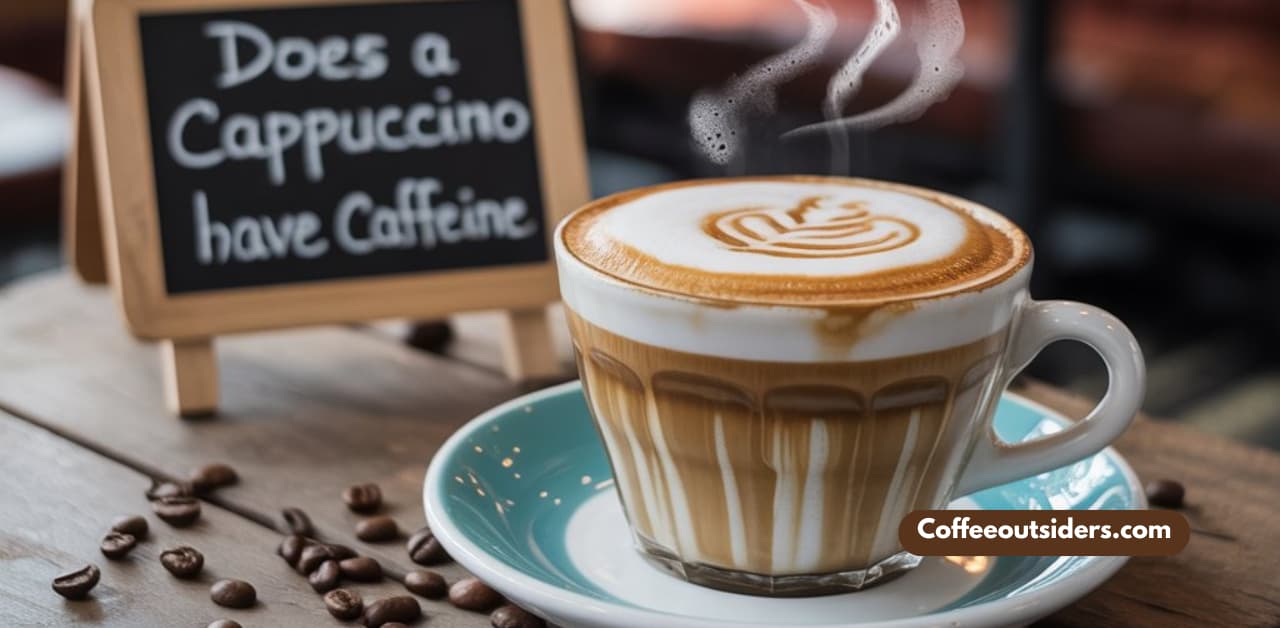
Does My Cappuccino Have Caffeine? Facts & FAQ
Since a cappuccino uses a shot of espresso, it does have caffeine. This espresso typically contains about 63 milligrams of caffeine per ounce.
Caffeine content will vary with the size and preparation of your drink. A standard 8-ounce cappuccino, for example, usually has around 80 milligrams of caffeine.
By combining a higher amount of steamed milk and espresso, cappuccinos present a very pleasant flavor with some body. By knowing how much caffeine a cappuccino has, you can make smart decisions about your cappuccino consumption each day.
- Cappuccinos are one of the most popular coffee beverages. They mix together the same amount of espresso, steamed milk, and milk foam, and typically are served in a 6-ounce cup. Their luscious mouthfeel and complex flavor profile have ingrained them deeply in the fabric of coffee culture worldwide.
- Since cappuccinos are made with espresso, they do have caffeine in them. An average single-shot cappuccino has around 80 milligrams of caffeine. The caffeine content will go up with more espresso shots added.
- Things like coffee bean variety, brewing technique, milk selection all come into play with caffeine levels and flavor itself. Arabica beans usually have lower levels of caffeine than robusta, and lighter roasts tend to have marginally higher caffeine content than darker roasts.
- In comparison, a cappuccino has much less caffeine than most brewed coffee beverages. A standard 8-ounce cup of drip coffee has roughly 160mg of caffeine. A single-shot cappuccino packs in about half that amount.
- For those who are sensitive to caffeine, cappuccinos made with decaffeinated beans are a great choice. These innovative beverages are made using decaf beans, but they still pack the trademark flavor and froth that you expect in a cappuccino.
- Remember, everything in moderation, and you can enjoy cappuccinos without overdoing your caffeine intake. Be mindful of when and how much you eat. Monitor your daily caffeine consumption to manage your energy and promote good habits.
What is a Cappuccino?
A cappuccino is an iconic, multicultural coffee drink. It wows you with its rich espresso, luscious steamed milk, and soft, fluffy milk foam. Originally made popular in Italy, it has become a foundation in coffee culture here in America and around the world.
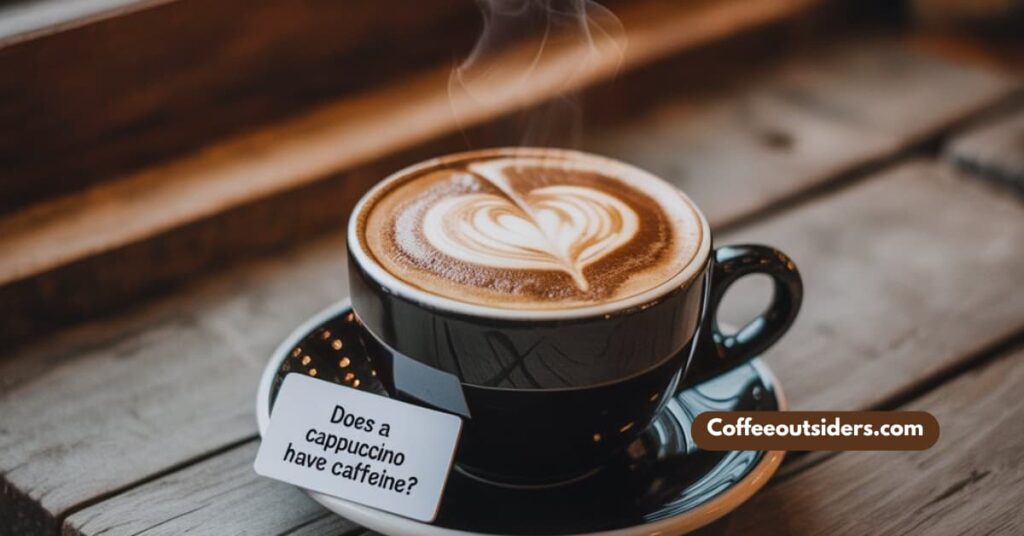
After all, this drink is most often served in a 6-ounce cup. Though it’s daintier than lattes, it offers an intensely chocolatey, rich experience. The recipe relies on a classic technique. It’s made with equal parts espresso, steamed milk and milk foam so every sip is a perfect harmony of bold flavor and creamy goodness.
Classic Cappuccino Defined
In short, a traditional cappuccino begins with one shot of espresso at its center. This shot of espresso is the first layer and the basis of the drink. This marvelous little shot of espresso, roughly 0.85 fluid ounces, is at the core of what makes a cappuccino so delicious and special.
The second layer, composed of an equal amount of steamed milk, floats on top of the espresso. This new addition boosts all-around creaminess while allowing the coffee’s distinct bitterness to come through. On top, silky smooth, dark chocolatey espresso meets with an ocean of dense, rich milk foam.
It imparts a feathered, ethereal quality and an element of delicacy. That last piece—the milk froth—is the key to the cappuccino’s Instagrammable look. Its rich and lofty texture is what makes this delicious dish so craveworthy.
In Italian coffee traditions, cappuccino plays a cultural role, frequently consumed as a morning drink to complement breakfast pastries. The drink’s name Capuccino indeed comes from Capuchin friars, alluding to the drink’s brown color, similar to their robes.
Key Ingredients Explained
The three ingredients that make a cappuccino—espresso, steamed milk, and milk foam—are equally essential to the drink. The quality of the espresso is directly related to the coffee beans used in the process, with premium coffee guaranteeing a bold and aromatic flavor profile.
Milk choice is important too, whole milk will add the most creaminess and flavor, but healthier alternatives such as almond or oat milk will provide more flexibility.
Cappuccino Variations Worldwide
Across the world, cappuccino variations are influenced by regional preferences. In Italy, the similar “cappuccino freddo” is an iced version served over ice.
Somewhere else, vanilla syrup or caramel syrups would be added on to cappuccino, flavored syrups. These adaptations illustrate the drink’s adaptability.
Does a Cappuccino Have Caffeine?
Cappuccinos do have caffeine, mostly because they’re built on a base of espresso. This favorite coffee drink marries the intensity of espresso with the smooth texture of velvety steamed milk. Topped with rich, foamy goodness, this drink has captured the hearts of coffee drinkers everywhere.
The cappuccino’s caffeine content can differ widely. That variation is largely due to how many espresso shots are used, preparation methods, and serving sizes. Here, we break down these specifics to give you the full scoop on caffeine in a cappuccino.
1. Caffeine Content in Cappuccino: Overview
A plain, single-shot cappuccino should have about 75 mg of caffeine since the caffeine content comes almost entirely from the single espresso shot used as a base. This amount of caffeine is considered moderate. Brewed coffee can range from 95 to 200 mg of caffeine per 8-ounce cup based on the coffee bean type and brewing technique.
More substantial cappuccinos or those prepared with a double shot of espresso deliver a higher hit as much as 150 mg of caffeine. Experience a bigger boost with these more intense alternatives! Cappuccinos have about the same amount of caffeine as lattes. That’s because both drinks usually come with one shot of espresso.
2. Espresso Shots and Caffeine Connection
The amount of espresso shots a cappuccino has is what directly impacts its caffeine count. An average single shot of espresso contains around 68 mg of caffeine. In the case that you choose a double shot, you’ll consume approximately 136 mg of caffeine!
To put that in perspective, a double-shot cappuccino might come close to the caffeine found in an average 8-ounce brewed coffee. Of course, the quality of your espresso shot is just as important as the quantity. With freshly ground beans and a precise extraction process, it is possible to produce the same caffeine level every time.
3. Factors Influencing Caffeine Levels
There are many factors that can affect cappuccino caffeine content. The other factor at play here is the type of coffee bean—arabica beans usually contain about half of the caffeine found in robusta beans. Since the grind size influences the rate of extraction, finer grinds will produce a more concentrated caffeine.
Brewing time is also a consideration. The longer the extraction time, the higher the concentration of caffeine.
4. Bean Origin and Caffeine Impact
Coffee bean’s country of origin plays a large role in how much caffeine is in a cappuccino. Generally, coffee beans harvested at a higher altitude (usually arabica) will give a gentler buff of caffeine. Robusta beans, which grow best at low altitudes, are hardier plants that are naturally higher in caffeine.
By choosing high-quality coffee beans, one can easily find a balance of caffeine content with flavor.
5. Roast Level and Caffeine Extraction
Roast level influences caffeine slightly, with lighter roasts retaining more caffeine than darker roasts due to reduced exposure to heat. The difference is tiny, since roasting alters flavor more than caffeine levels.
Lighter roasts will bring out more of the bean’s natural acidity, where darker roasts will add rich, smoky notes to the mix.
6. Extraction Method and Caffeine
Espresso extraction is an intentional, intense brewing method that produces a unique, concentrated experience with coffee. It provides more caffeine spread over less volume than drip coffee. Only high-quality espresso machines are able to produce that perfect pressure and brewing duration.
This method maximizes caffeine and flavor extraction, while preventing undesirable bitterness caused by over-extraction.
7. Preparation Techniques Influence
Even the best barista skills may affect the caffeine content in the end brew. The espresso extraction time, usually between 25–30 seconds, plays a major role in caffeine content too. How you brew your milk determines how much caffeine you taste.
The addition of frothy milk introduces a fluffy and creamy foam texture, countering the bold taste of espresso.
8. Serving Size and Caffeine Content
Cappuccinos are typically served in a 6-ounce size, and this amount delivers a fair amount of caffeine. Of course, larger servings like 12-ounce cappuccinos boost caffeine consumption in even greater amounts.
Simple strategies, like being mindful of portion sizes, can empower people to get through their day without exceeding the recommended amount of caffeine.
9. Milk Type and Caffeine Perception
Additionally, the milk foam used can further contrast the appearance of strength in caffeine. Whole milk contributes to the richness of the drink, whereas alternative milks, like almond or oat milk, add their own distinct flavor profiles.
The milk combines with the espresso to soften the intensity, making it a richer, more delicious caffeine experience.
10. Regional Recipes and Caffeine
In addition to the preparation method, regional variation affects how much caffeine is in a cappuccino. Italian cappuccinos, for example, always have a very clear 1:1:1 ratio of espresso to milk to foam.
By comparison, American versions are usually larger and sometimes include additional shots. Local coffee culture and preferences play a significant role in creating these differences.
Cappuccino Versus Other Coffee Drinks
Learning to tell the difference between cappuccino and other coffee drinks will bring more dimension to your coffee journey. Each drink has unique qualities that distinguish one from another, particularly with regards to preparation method, milk to espresso ratios, and caffeine levels.
Once you know these differences, you can use that knowledge to choose the right drink to fit your taste preferences and caffeine requirements.
Cappuccino vs. Latte: Caffeine Comparison
Cappuccinos and lattes both feature espresso as their core, but their differences lie in the milk ratio and caffeine perception. A classic cappuccino has about 0.8 ounces of espresso.
It’s made with 3.4 ounces of steamed and foamed milk, creating a deliciously balanced mix of rich espresso and smooth, airy froth. As a rule of thumb, a small cappuccino would have about 75 mg of caffeine, with a larger one up to 150 mg.
Lattes are all about that milk, featuring way more milk than espresso. For each single shot of espresso that they use, they typically add in 6 to 8 ounces of steamed milk.
The milk to espresso ratio is high enough that the milk overpowers the espresso, diluting its intensity. Therefore, a latte might seem less caffeinated, although its caffeine content is actually comparable. If you’re looking for a creamier, milder coffee experience, lattes are a delicious option.
Cappuccino vs. Americano: Caffeine Levels
What’s the difference in caffeine content between an Americano and cappuccino? Cappuccino Vs Latte Cappuccinos and lattes have similar beginnings.
Americanos dilute that espresso with hot water, producing a drink with a different body and flavor profile. In fact, a regular 8-ounce Americano generally contains 75 to 100 mg of caffeine, which is comparable to a cappuccino.
Without the context of milk, the Americano highlights the espresso’s aggressiveness and acidity. Those who want a stronger, more straightforward coffee taste usually go with Americanos.
Cappuccino vs. Macchiato: Caffeine Amounts
Macchiatos are quite different in contrast to cappuccinos. They are made up of one espresso shot, just topped with a spoonful of foamed milk.
With this little milk, you get a stronger and more rich flavor. It keeps consistent caffeine content, 63-75 mg per shot. Cappuccinos, with their frothy, layered texture, offer a gentler flavor profile, making them a more approachable option for those new to espresso-based drinks.
Other Drinks and Caffeine Content
When comparing caffeine levels across popular coffee beverages, the options vary greatly:
- Espresso: ~63 mg per shot (1 ounce)
- Drip Coffee: ~160 mg per 8 ounces
- Cold Brew: ~200 mg per 12 ounces
Cappuccinos are the happy medium, the mellow, mellowing down the high with smooth, rich layers of input. They walk the line between stronger drinks such as espresso, while being a nice middle ground between milkier drinks, such as lattes or cortados.
Decaffeinated Cappuccino: What to Know
People enjoy decaffeinated cappuccino because they enjoy the strong, creamy quality of this great beverage. It’s an ideal choice for anyone looking to reduce their caffeine intake.
Decaf options provide a fulfilling substitute for individuals who prioritize their health, undergo experiences of pregnancy, or seek to lower overall caffeine consumption. They introduce complexity without overwhelming with stimulation and tension.
Caffeine content in decaf cappuccinos is an important aspect to consider. Decaf cappuccinos still have caffeine, just not as much as regular cappuccinos. This versatility makes them an excellent option for a variety of dietary restrictions and lifestyle choices.
Decaf Options: An Overview
Nearly all major coffee chains, from Starbucks to Peet’s Coffee to Dunkin’ serve a decaf cappuccino, so they’re easily obtainable. These favorites are made with decaffeinated coffee beans, which are produced with unique processes that extract most of the caffeine.
It’s key to keep in mind that despite being called “decaf,” these cappuccinos still contain caffeine. Typically, they have 2–3% of the original caffeine remaining. A regular decaf cappuccino comes out to around 75 milligrams of caffeine.
If you pick the venti size, it can pack as much as 150 milligrams! This latter option is better for caffeine-sensitive consumers. By comparison, a traditional cappuccino can be more than 200 milligrams of caffeine per serving.
When ordering a decaf cappuccino, be sure to look at the caffeine amounts listed by the specific brand. Keep in mind, your mileage may vary A LOT! No hurty dairy. These cappuccinos meet all dietary needs.
Pair them with plant-based milks, sugar-free flavored syrups or other customized flavors ranging from low-fat to lactose-free.
Decaffeination Process and Flavor
The decaffeination process usually uses methods like the Swiss Water Process or carbon dioxide extraction. Both treatments are designed to maintain the unique flavor profile of the coffee bean while effectively decaffeinating the coffee by up to 97%.
The decaffeination process can change the flavor profile of the bean. For the best results, you want to choose high-quality beans for that reason!
When making decaf cappuccinos, choosing high quality decaf beans will make sure you get a full-bodied coffee flavor that combines harmoniously with frothed milk.
Decaf Cappuccino: Taste and Texture
Decaf cappuccinos almost taste exactly like the caffeinated version, including the foam topping! With the robust espresso base, enriched with smooth frothy milk foam, a deliciously creamy, balanced drink is born.
Frothing milk takes your coffee to the next level. Its lovely, creamy mouthfeel pairs beautifully with the silkiness of the brew. For coffee enthusiasts, the satisfaction remains intact, offering a comforting cup without the heightened caffeine impact.
Caffeine’s Effects on Your Body
As a natural stimulant, caffeine contributes to the unique effects seen in anything from caffeine cappuccino to ECGs on human subjects. Its positive effect on both the body and mind is what has made it the popular coffee drink of choice for millions around the globe. Understanding how caffeine affects our insides enables us to take advantage of its benefits while avoiding excessive caffeine intake.
Understanding Caffeine’s Impact
When consumed, caffeine mainly affects the central nervous system by blocking adenosine, a neurotransmitter that promotes relaxation and sleepiness. This is what causes the increased alertness, improved focus, and temporary burst of energy that you may feel. If you drink caffeine first thing in the morning, you’ll be alert and ready for anything!
It gets you ready to start your day feeling recharged! As a stimulant, caffeine can boost physical performance through increased adrenaline levels that help improve endurance when exercising or performing demanding physical activities. This might be why a lot of athletes choose to consume moderate doses of caffeine prior to participating in their sport.
The side effects of caffeine are subjective and their effects largely depend on the person. Factors such as genetics, age, and general health play a role in determining one’s tolerance levels. Whereas some of us are able to down ten cups of coffee a day with no adverse effects, others feel jittery after just one cup.
This difference underscores the need for each person to know their own tolerance and adapt their consumption to it.
Benefits of Moderate Caffeine Intake
Moderate consumption of caffeine can do you a wealth of good, especially when enjoying a rich cappuccino. The Food and Drug Administration recommends keeping caffeine intake under 400 milligrams per day, roughly 2 to 5 cups of coffee beverages. This consumption has been shown to improve mood, presumably by increasing the release of dopamine, a.k.a the “feel-good” neurotransmitter.
Research has demonstrated that moderate caffeine use enhances cognitive functions, including memory and concentration. For example, students or working professionals may discover that enjoying espresso drinks like a cappuccino allows them to concentrate better on complex responsibilities.
Studies indicate that caffeine can have long-lasting, positive health effects. It’s associated with a lower risk of Parkinson’s disease and some cancers. Caffeine can help increase your metabolic rate a bit, which can help prevent weight gain over years.
It’s not a magic bullet to lose weight, but a well-crafted coffee beverage can certainly complement a healthy lifestyle.
Potential Drawbacks of Caffeine
More than moderate levels of caffeine can cause negative effects, such as increased anxiety and jitters, as well as sleep interference. Chances are high that if you’re drinking a cappuccino after dinner it’s going to affect your sleep. Fun fact—caffeine can keep you alert for 12 hours!
In those with underlying health issues, overconsumption can raise heart rate, blood pressure and respiratory rate. Withdrawal symptoms can severely affect you within 12 to 24 hours after you last drink caffeine. You may feel headaches or irritability, and these symptoms may last for as long as a week.
Understanding these risks highlights the need to stay at or below safer daily limits.
Daily Cappuccino Consumption: Guidelines
Cappuccinos offer a delightful experience for coffee lovers. It’s helpful to know how to use them as part of your daily caffeine consumption. Being mindful of how you consume them allows you to safely fuel your body with these drinks while avoiding harmful caffeine thresholds and side effects.
Read on for tips to make daily cappuccino consumption compatible with daily caffeine intake.
Recommended Daily Caffeine Intake
The rule of thumb for safe caffeine consumption is 400 milligrams (about four cups coffee) a day for the average healthy adult. This figure usually works out to three to five cups of black coffee, again depending on size and strength.
A typical, small cappuccino will give you about 75 milligrams of caffeine from one shot of espresso. In comparison, a venti can pack in as much 150 milligrams of caffeine. Take this home with you: You should drink no more than three to four daily cups. This is even more crucial if you consume other caffeinated products as well.
Caffeine tolerance differs from person to person based on individual metrics such as age, weight, rate of metabolism, and sensitivity to caffeine. For instance, some people get jittery or have trouble sleeping at smaller amounts, while others metabolize caffeine in a way that lets them tolerate it much better.
Most importantly, listen to how your body responds! If one cappuccino leaves you too jittery, consider having a smaller portion or decaffeinated.
Know Your Caffeine Tolerance
Finding the right balance starts with a simple step—learning your own caffeine sensitivity. When you consume caffeine daily, your body starts to adjust. After a while, it might take more of it to achieve the same results.
Cutting back can decrease tolerance over time. Keeping a simple journal to track how caffeine affects your mood, energy, and sleep can help you better understand your limits and adjust your habits.
Limit Other Caffeine Sources
Cappuccinos are not your only source of caffeine each day. Tea, chocolate, energy drinks, and even some medications count towards your daily total, too. Combining these can easily push you past safe levels, increasing the risk of symptoms like a racing heart or difficulty sleeping.
To avoid excess, plan caffeinated drinks to avoid multiple in a short period of time and include caffeine-free drinks such as herbal teas or water during the day. Just note that even decaf cappuccinos will still contain trace amounts of caffeine.
So if you’re sensitive, make sure you look at the labels or inquire with your barista!
Common Cappuccino and Caffeine Myths
Cappuccino is a popular coffee beverage for enthusiasts, yet many myths regarding its caffeine content and impact persist. These misconceptions create confusion about the real caffeine content of cappuccinos compared to other espresso drinks and their effects on overall health. By dispelling these myths, we hope to shed light on these issues, empowering you to make informed choices about your coffee consumption.
Debunking Caffeine Myths
One myth would be to think that all coffee beverages have the same amount of caffeine. This is incorrect, as the real caffeine content varies widely depending on the type of drink and how it’s prepared. For instance, a normal single-shot cappuccino, which is a popular coffee drink, would have around 64 milligrams of caffeine, with a double-shot coming in at around 128 milligrams. Most 8-ounce cups of drip coffee have over 150 milligrams of caffeine, primarily due to the brewing methods that extract more caffeine over a longer brew time.
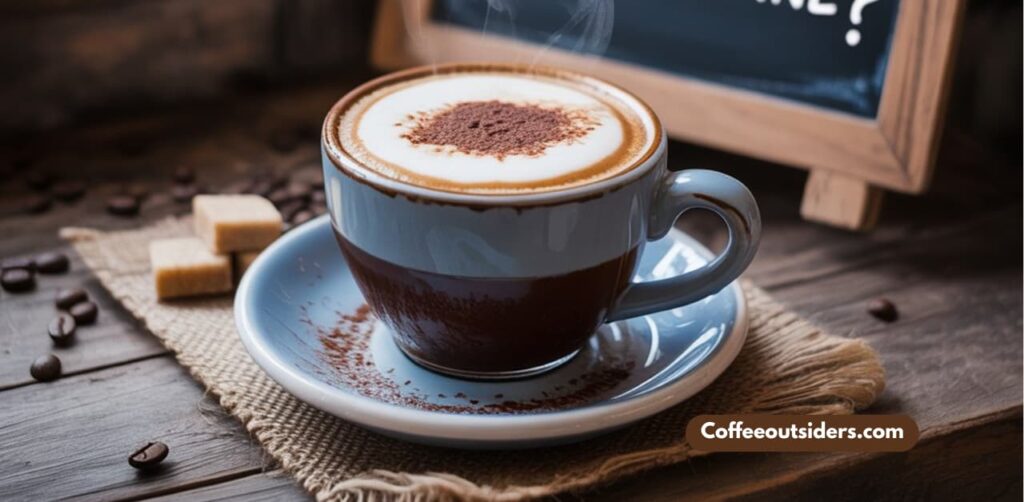
Another myth is that cappuccinos are the most caffeinated drinks. Espresso is what provides the basis for cappuccinos. In reality, the steamed milk and milk foam used in drink preparation dilute the caffeine concentration in common cappuccinos, lattes, and other espresso drinks. This is essential for coffee enthusiasts to understand when determining their caffeine limit.
The cappuccino’s traditional, layered architecture consists of one-third espresso, one-third steamed milk, and one-third milk foam. This combination of flavor and caffeine makes for a milder alternative than other more robust brews. For those seeking a rich cappuccino experience, understanding the cappuccino ratio can elevate their enjoyment.
Ultimately, knowing the caffeine output of different coffee varieties helps consumers make informed choices. Whether you enjoy a velvety milk foam topping on your cappuccino or prefer a strong shot of espresso, being aware of the caffeine content can enhance your coffee consumption experience.
Cappuccino: Not the Highest Caffeine
When comparing caffeine levels, cappuccinos often fall behind drip coffee and pure espresso. A single-shot espresso contains roughly the same caffeine as a single-shot cappuccino, but drip coffee can significantly surpass both.
Understanding drink composition is essential when evaluating caffeine intake. For instance, lattes, which contain more milk, deliver a milder caffeine experience than cappuccinos due to their higher milk-to-coffee ratio.
Cappuccino and Insomnia: The Truth
Caffeine and sleep quality are definitely connected, but having a cappuccino once in a while won’t lead to insomnia. Timing has a big impact. Drinking cappuccino earlier in the day reduces sleep interference.
Italians, a good-case example, famously only drink cappuccinos in the morning, at least partly because of this rule.
Cappuccino and Heart Health: Facts
Moderate caffeine consumption has been linked to some cardiovascular protective effects. When enjoyed responsibly, cappuccinos, with their moderating caffeine level, can be a delicious addition to a heart-healthy diet.
That being said, each person’s health conditions are different, so it is always recommended to talk with your healthcare provider.
Enjoying Cappuccino Responsibly
Cappuccinos are one of the most popular coffee drinks in the world. They are happy drinks — cozy, fun, pleasing, rewarding. Due to their high caffeine content, it is very important to consume them mindfully. A classic cappuccino has one shot of espresso, which adds about 63 milligrams of caffeine.
Caffeine content can fluctuate depending on size and preparation. The typical small espresso cup has ~75 milligrams, while a double big enough to share could have as much as 150 milligrams. Understanding these intricacies helps us enjoy cappuccinos responsibly. It allows us to be more prudent about our own caffeine threshold and daily intake.
Adjust Espresso to Milk Ratio
That perfect sweet spot of espresso to milk is what makes cappuccinos so special in flavor and caffeine per cup. By doing one-off tests with various ratios, we can customize cappuccinos exactly to our liking. If you’re looking for a lower caffeine hit, consider using more milk. This will reduce overall intensity but continue to enhance a creamy mouthfeel.
For example, ordering a “wet” cappuccino with more steamed milk reduces the caffeine level in each sip. On the other hand, a “dry” cappuccino that uses less milk provides a stronger espresso taste. Understanding these differences helps us find a style that suits our preferences and palette, as well as preferred amount of acidity.
Choose Smaller Cup Sizes
Properly smaller servings can help maximize the enjoyment of a cappuccino and be happier with a lower caffeine impact. A properly-sized, high-quality cappuccino offers a chance to enjoy the beverage’s complex flavors and textures without going overboard.
Ordering a 6-ounce cup instead of a 12-ounce serving, for example, will have a huge impact on your caffeine consumption. You’ll cut your intake in half—down from 150 milligrams to around 75 milligrams! With this realistic approach to moderation, cappuccinos can be enjoyed as part of a fun, delicious, and healthy lifestyle.
Time Your Cappuccino Consumption
When we consume cappuccinos can make a difference in terms of its effects on energy levels and sleep. Save them as an occasional breakfast treat or mid-morning pick-me-up. That way, you can get a mild energy lift without affecting your nightly sleep.
The key is to pace your caffeine consumption. Sticking to 1-2 cups per day will usually keep you safe from negative effects such as jitters and insomnia. Conscious timing helps cultivate a steady energy ebb and flow all day long, encouraging less use of caffeine as an energy crutch.
Conclusion
Cappuccinos have a beautiful harmony of deep, rich espresso and creamy steamed milk that makes them a popular choice for coffee aficionados. Sure, they all have caffeine, but that will depend on the espresso shot, how it’s designed, how it’s brewed. For cappuccino lovers looking to limit caffeine consumption, decaf options offer a wonderful solution without sacrificing the cappuccino enjoyment. Savoring cappuccinos in moderation preserves the appeal without going overboard on the caffeine kick.
Knowing how caffeine’s work on your body, you can make decisions to best suit your personal habits and stay healthy. Now you can enjoy cappuccino’s energy boost or a calmer cup. With some planning, cappuccinos can be a simple, sustainable choice. So, enjoy that next cappuccino or whatever, know your limits, and happy caffeinating!
Frequently Asked Questions
Yes, a cappuccino does contain caffeine due to its espresso base, which typically has about 63 milligrams of caffeine per shot. The overall caffeine output will vary depending on the number of shots espresso used in the coffee beverage.
Most cappuccinos, a popular coffee drink, do have a lower caffeine content than a regular cup of drip coffee. That’s because they’re typically served with a single or double espresso shot. A standard 8-ounce cup of coffee contains an average of 95 milligrams of caffeine, while a rich cappuccino contains between 63–125 milligrams.
Yes, you can indeed order a decaf coffee beverage like a cappuccino. Just request it be made with decaf espresso, which typically contains 2–5 milligrams of caffeine per shot, ensuring a lower caffeine limit for your final beverage.
In response to these questions, the FDA recommends that consumers cap their daily caffeine limit at 400 milligrams, roughly the amount in 3–4 cups of coffee beverages. This amount is considered safe for most adults, though it depends on your individual tolerance for caffeine consumption.
In moderation, caffeine consumption, especially from popular coffee drinks like cappuccinos and lattes, is not harmful for the majority of people. It may increase concentration, energy, and mental acuity, offering various health benefits when enjoyed within a caffeine limit.
Yes, that’s one of the most prevalent caffeine myths out there — that cappuccinos, a popular coffee drink, are caffeine-less because they’re so creamy. In truth, they are loaded with caffeine from the espresso shots. It’s another myth that dark roast coffee has more caffeine; the caffeine output is mostly determined by the brewing method.
So do cappuccinos, but just in moderation. Stay within 1–2 cups per day to reduce overall caffeine intake, especially if you’re mindful of your caffeine limit. Enjoy it alongside water to stay hydrated, and consider opting for decaf coffee if you have a low tolerance to caffeine.