

Does Chrysanthemum Tea Have Caffeine? My Experience and Insights
Caffeine-free Chrysanthemum tea is a perfect natural, soothing, and caffeine-free alternative to more traditional caffeinated drinks. This naturally caffeine-free tisane is made with dried chrysanthemum blossoms. Its pleasant floral flavor and potential health benefits, such as helping the body relax and keeping it hydrated, make it immensely popular.
With no caffeine, it’s the perfect choice for anyone looking to reduce their caffeine intake. Sip and savor this soothing beverage from morn till night! When viewed as an invitation to collaborate, the chrysanthemum tea experience is only beginning.
What is Chrysanthemum Tea?
Chrysanthemum tea is a caffeine-free herbal infusion brewed from dried chrysanthemum flowers. The precious plant, which hails from China, has flowers that open in the fall. Chrysanthemum tea is broadly distinct from traditional teas, which are cultivated from the camellia sinensis plant.
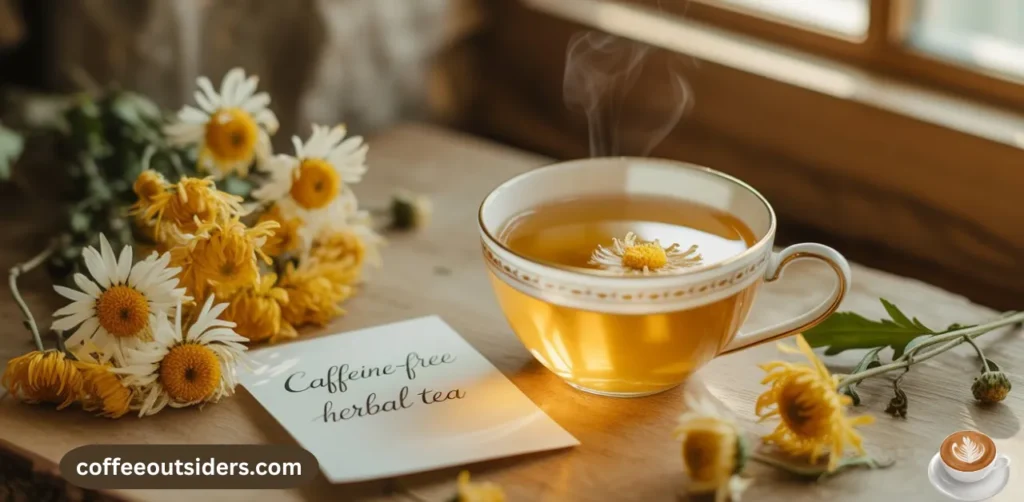
Creatively brewed to be totally caffeine free, it’s the perfect delicate escape any time of day. Its caffeine-free profile guarantees it won’t interfere with sleep patterns or trigger the jittery sensations often linked with caffeinated beverages. This tea has a reputation for being quite cooling in Traditional Chinese Medicine (TCM).
From personal experience, people love celebrating chrysanthemum tea for its relaxing effects on the body and mind. It’s rich in vitamins A1 and B1, among others. This unique blend provides a soothing experience that is good for you, with potential health benefits including helping with eyestrain from extended screen time and stress relief.
Chrysanthemum tea has a rich cultural history, particularly in East Asia, where it is culturally significant and regularly consumed. Apart from its health benefits, the tea is loved for its gentle flowery scent and subtly pleasant flavor.
It’s become a staple of festivals and gatherings, prized for its soothing nature that can make any environment feel calming or magical.
Origin and Traditional Use
The history of chrysanthemum tea goes back over 3,000 years, originating from Traditional Chinese Medicine. Typically consumed for its cooling properties, it’s historically helped relieve everyday issues such as fevers and headaches. TCM focuses on restoring balance to the body’s internal heat or temperature.
Since it’s useful in hotter seasons or when battling stubborn body heat, this makes it a great remedy for summer months. Chrysanthemum tea holds an important place in the culture of areas such as China, Korea, and Japan.
People love drinking it for festivals, family celebrations and for special occasions. Its relevance to health and harmony means that it’s an important part of these traditions as well, representing the very ideals of well-being and longevity.
Unique Characteristics and Varieties
Chrysanthemum tea is truly a feast for the eyes and soul. With striking yellow or white flowers floating above the leaves, the display is irresistibly beautiful. Different varieties, like snow chrysanthemum or yellow buds, add nuances of flavor and fragrance.
For example, snow chrysanthemum has a richer, more complex, somewhat earthly flavor, while yellow buds are more delicate and sweet. Each variety is geared toward a very specific set of preferences, making it even more versatile!
Does Chrysanthemum Tea Have Caffeine?
Chrysanthemum tea enchants with its beautiful floral fragrance and relaxing properties. One of its best characteristics is that it’s naturally caffeine-free. Unlike other teas, such as black, green, and oolong, which are made from the Camellia sinensis plant, chrysanthemum tea is an herbal tea. Rather, it’s an herbal infusion made from dried chrysanthemum flowers.

What is the caffeine content of chrysanthemum tea? This unique composition is naturally caffeine-free. It’s a great option for everyone from children to seniors, especially anyone wanting to avoid caffeine.
1. Caffeine Content Explained
Tea is unique in the fact that the caffeine content can range vastly by tea type. Black tea is the highest in caffeine at 40 to 70 milligrams per 8-ounce cup. Compared to this, green tea has a relatively lower caffeine content, ranging from 20 to 50 milligrams.
Even white tea, which is prized for its more delicate character, contains an average of 15 to 30 milligrams of caffeine per serving. In comparison, chrysanthemum tea has no caffeine at all. For anyone who’s more sensitive to caffeine, chrysanthemum tea is caffeine-free, making it the perfect herbal remedy.
This is important to escape the stimulating side effects such as increased heart rate, jitters, and disrupted sleep patterns. This herbal tea makes a soothing substitute, perfect for unwinding without the possible effects associated with regular teas.
2. Natural Caffeine-Free Composition
Chrysanthemum tea’s caffeine-free trait is due to its wholly floral composition. Since it doesn’t come from traditional tea leaves, it has no caffeine by nature. This property creates an ideal drink for relaxing after a hard day, facilitating stress relief without excessive stimulation.
Chrysanthemum tea complements a healthy diet by delivering hydration to your body. It creates a lovely, delicate flavor while bypassing the pitfalls of caffeine intake.
3. Scientific Studies on Caffeine Absence
Scientific evidence has repeatedly confirmed the caffeine-free status of chrysanthemum tea. Research studies investigating its chemical composition prove that this herbal infusion is completely devoid of stimulants.
This research has an important part to play in helping create trust in herbal teas. They drive the growing popularity of caffeine-free Whole Herbs and Adaptogens in today’s wellness routines.
4. Testing Methods for Caffeine Detection
Laboratory testing methods, like high-performance liquid chromatography (HPLC), are commonly used to find caffeine content in drinks. These exacting methods create quality-control measures, so that chrysanthemum tea products can be confidently labeled as caffeine-free.
This gives consumers accurate and trustworthy clarity. For consumers looking for caffeine-free alternatives, these testing standards provide confidence that they are getting exactly what they’re looking for.
5. Preparation Method and Caffeine
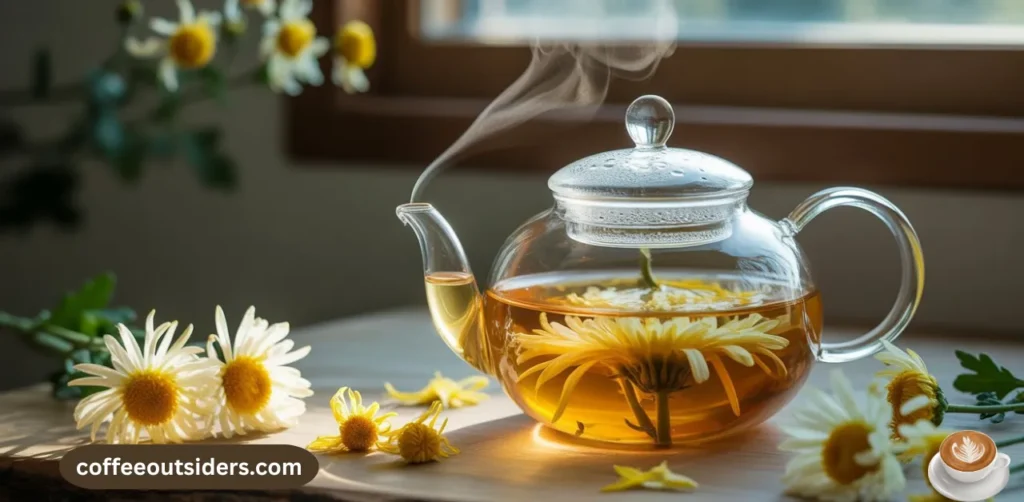
When making chrysanthemum tea, dried flowers are steeped in hot water, usually for five to ten minutes. Interestingly, this does not add any caffeine, since chrysanthemum flowers are naturally caffeine-free.
Always using whole chrysanthemum flowers enhances the taste and the tea’s relaxing qualities. With every delicious cup comes relaxation and refreshment.
6. Variations in Products or Species
Chrysanthemum tea is completely caffeine-free. Its quality can vary widely depending on the species of chrysanthemum used and how it’s harvested. To get the full experience, consumers need to find trustworthy brands.
They need to check labels as well to make sure they are purchasing caffeine-free options. Choosing the best products ensures that you’ll enjoy all the benefits this herbal tea has to offer.
7. Regulatory Standards for Caffeine Labeling
Regulations related to caffeine labeling on herbal teas are an important part of keeping the industry transparent. These commonsense standards ensure that consumers are fully informed about what is in the beverages they choose.
This visibility assists in fostering confidence in caffeine-free herbal substitutes, like chrysanthemum tea. Transparent labeling stops the spread of misinformation, too, helping everyone make more informed choices.
Health Advantages of Chrysanthemum Tea
Chrysanthemum tea, particularly the chrysanthemum pu erh variety, has been cherished for centuries not only for its delicate flavor but for its numerous tea benefits. This delightful beverage is not only caffeine-free; it’s packed with an impressive array of antioxidant properties that support general wellness and align with Eastern medicine practices.
Promotes Relaxation and Calming
Chrysanthemum tea is famous for its calming effects, which are largely due to the presence of natural compounds that alleviate stress and anxiety. Consuming this tea can reduce hypertension, leading you to feel more tranquil and relaxed.
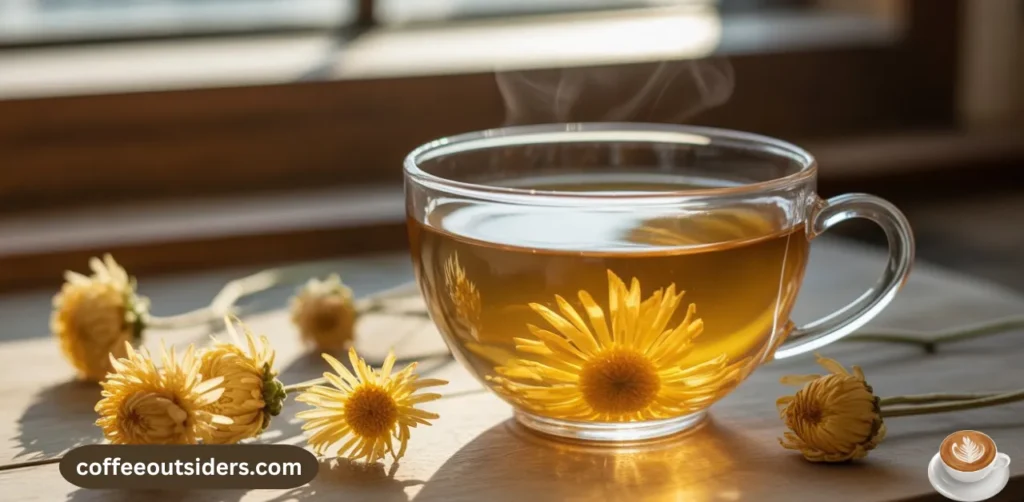
Its calming effects make it an ideal part of evening routines, particularly after stressful days. By making it a part of your evening routine, you’ll be ready to relax and get to sleep like never before.
Supports Improved Sleep Quality
It can improve sleep quality. As a caffeine-free drink, chrysanthemum tea is a great option for anyone looking to improve their sleep quality.
The perfect time for chrysanthemum tea to work its magic is during bedtime, thanks to its natural ability to calm the mind and body. Sipping a cup before bedtime calms the brain with a gentle wave of relaxation without interfering with sleeping patterns.
This soothing ritual makes it easier for people to fall asleep easily into restorative sleep.
Rich Source of Antioxidants
Rich in antioxidants, chrysanthemum tea helps protect cells against free radicals and oxidative stress. Antioxidants including beta-carotene and Vitamin A strengthen your immune system.
They go above and beyond in nourishing skin and combating the signs of aging. Making it a habit encourages long-term wellness by shielding the body from damage caused by environmental toxins.
May Alleviate Eye Strain Symptoms
As with many traditional practices, chrysanthemum tea has much to offer for eye health. Its anti-inflammatory characteristics can soothe irritation from long hours in front of a screen, and its high levels of Vitamin A are beneficial for vision too.
This is what makes chrysanthemum tea especially helpful for individuals dealing with eye strain or diseases such as AMD or diabetic retinopathy. Making this tea a regular part of your day can be an all-natural method of eye care!
Bolsters Immune System Function
Aside from fighting flu and colds, chrysanthemum tea can strengthen the immune system because it is high in vitamins and minerals, including potassium and iron. Continued intake increases your body’s natural immune systems.
This increase serves to better defend against everyday sicknesses and ensures a more robust, more resilient network.
Aids in Healthy Digestion Process
Well-known for its calming properties, chrysanthemum tea can help soothe the stomach and relieve any digestive pain or distress. Having it after meals encourages improved nutrient absorption.
It reduces bloating and indigestion, a soothing and powerful digestive remedy.
Helps in Body Temperature Regulation
Traditionally, chrysanthemum tea has been used to cool the body, making it a perfect choice during the heat of summer or after strenuous exercise. Its cooling effect aids in regulating body temperature, giving the body relief and hydration.
Adding it to summertime habits makes for a vibrant, delicious, and practical method to chill out.
Chrysanthemum Tea Versus Other Teas
As a caffeine-free beverage, chrysanthemum pu erh tea makes a delightful alternative to traditional teas and herbal blends. Its popularity is attributed to the comforting floral aroma and many benefits, including its antioxidant properties, overall versatility, and ability to accommodate various dietary preferences.

Caffeine Levels in Common Teas
When it comes to chrysanthemum tea vs other teas, the caffeine content really shows a major difference. Here’s a breakdown:
| Tea Type | Average Caffeine Content (per 8 oz) |
| Chrysanthemum Tea | 0 mg |
| Green Tea | 20–50 mg |
| Black Tea | 40–70 mg |
| Oolong Tea | 30–55 mg |
Chrysanthemum tea contains no caffeine, setting it apart from teas derived from the Camellia sinensis plant, like green, black, and oolong teas. This makes it a great option for anyone looking for a natural, caffeine-free drink that can be sipped all day long.
Its subtle floral, soothing essence is refreshingly calming and invigorating. Most traditional teas are known for their strong and invigorating quality.
Herbal Tea Caffeine Comparison
Most other herbal teas will share chrysanthemum tea’s caffeine-free qualities. Popular examples are chamomile, peppermint, and rooibos, which all have 0 mg of caffeine. These teas can attract people who are avoiding stimulants, but still want an enjoyable taste and health benefits.
Chrysanthemum tea, especially, promotes relaxing benefits and makes for a cozy decaffeinated pick that’s excellent for relaxing at the end of the day. Discovering different herbal options allows you to expand your beverage repertoire and indulge your tea-drinking audience, particularly those customers who seek out caffeine-free options.
Blended Teas and Caffeine Content
Blended teas in particular take the ingredient factor to a whole new level with their combinations, having an impact on caffeine content. For example, chrysanthemum tea mixes well with Pu-erh tea adding a bit of caffeine but keeping that floral scent.
Reading labels quickly becomes a necessity when choosing different blends to make sure they are properly fortified to meet dietary goals. Try caffeine-free blends such as chrysanthemum blended with dried fruit or spices.
This method opens inventive avenues to consume tea free of caffeine, introducing both novelty and taste.
Brewing Chrysanthemum Tea Properly
Chrysanthemum tea is a caffeine-free herbal infusion with a soft, floral fragrance and a golden color. Brewing it takes a little extra care in order to protect its subtle flavor and ensure you’re getting the most from its potential health benefits. The artistry comes from every step along the way, and each step is essential to crafting an exquisite tea experience.
Choosing quality dried, loose flowers and brewing them properly is key.
Select Quality Ingredients
The secret to a great cup of chrysanthemum tea starts with premium dried flowers. Use superior quality Kofla chrysanthemum flowers to get the most vigorous flavor. That’s because they have 60% more healthy compounds, such as amino acids, than green tea!
Ingredient quality influences the tea’s color, which can range from pale yellow to a rich golden hue, depending on the type of flower and steeping time. Buying from trusted sources ensures they’re clean, pesticide-free, and maintain their properties.
Keep your dried flowers in an airtight container. This is to ensure that they are protected from moisture and this will help them preserve their flavor and health properties.
Step-by-Step Brewing Instructions
Follow these steps to prepare a perfect cup:
- Heat water to approximately 200°F (just before boiling).
- Measure 5–10 grams (roughly 2–3 tsp) of dried chrysanthemum flowers.
- Place the flowers in a teapot or cup.
- Add the dried flowers and pour the hot water over them, letting them steep for 5–10 minutes.
- Strain the tea into a cup and enjoy.
If you prefer a milder flavor, the same flowers can be used to brew a second cup. Just steep them a second time in new steaming hot water for 3–4 minutes.
Tips for Maximum Flavor and Benefits
Enhance your tea’s quality and taste! Add a honey spoon or lemon slice for the sweet-sour note all together. Try different steeping times to find the flavor you like best.
Pairing chrysanthemum flowers with herbs such as mint or chamomile produces a more sophisticated flavor profile. This combination strengthens the soothing properties of the chrysanthemum.
Potential Side Effects and Precautions
Although chrysanthemum pu erh tea is generally well-loved for its soothing, aromatic properties, it might not be right for you. Understanding these potential side effects and taking precautions is key. With proper precautions, you should have a safe, enjoyable experience if you decide to incorporate this calming beverage into your regular health habit.
Possible Allergic Reactions
Avoid chrysanthemum tea if you are sensitive to members of the Asteraceae family. Allergic reactions may occur in people who are allergic to ragweed, daisies, or marigolds. Symptoms can range from mild discomfort, including itching or swelling of the lips and throat, to more serious effects like difficulty breathing.
Oral Allergy Syndrome (OAS) is something to look out for. Those who suffer from pollen allergies may experience a burning or tingly sensation when consuming this tea. Research indicates that anywhere from 18% to as many as 70% of those with a ragweed allergy may have an allergic reaction to chrysanthemum.
For those with a history of plant allergies, it is wise to consult with a healthcare provider before incorporating this tea into their diet.
Considerations for Caffeine Sensitivity
Plus, chrysanthemum tea is naturally caffeine-free! It makes for a smooth substitute for anyone who’s sensitive to caffeine or looking to reduce their consumption. Unlike other teas or coffee, its relaxing, calming experience does not come with any stimulating effects.
This good for you quality contributes to why it’s an ideal option to take in on an evening or during meditation and relaxing routines. Other herbal teas such as peppermint or chamomile can deepen variety for individuals looking for caffeine-free offerings.
Possible Interactions with Medications
Chrysanthemum tea can interact with certain drugs, especially blood thinners, because of its natural properties. Persons with medical conditions like age-related macular degeneration, retinal arteriosclerosis or diabetic retinopathy need to be careful.
Women who are pregnant or breastfeeding should first discuss with their doctor. The long-term impact on fetal and infant health is not yet known. A healthcare professional is the best source for personalized guidance, especially for people with complicated health needs and multiple medications.
Recommended Daily Consumption Limits
Chrysanthemum tea should be consumed exclusively and in moderation. For the average person, it’s safe to enjoy one to three cups of coffee per day. You have to factor in your own tolerance, too.
Regular consumption can maximize its health benefits, such as reducing inflammation and promoting relaxation. Listening to your body and adjusting intake as needed is essential. For ongoing use, working with your doctor will help make it both safer and more effective.
Taste, Aroma, and Appearance
Chrysanthemum tea is an exceptional sensory experience. It’s not just a drink, it’s an experience, the combination of taste, smell, and appearance creating a tranquil, rejuvenating moment that works on all the senses. Its unparalleled tastiness, aroma, and aesthetic appearance sets it apart as a great fruit.
Savor both the beautiful red hue and the calming properties of this caffeine-free infusion!
Describing the Tea’s Sensory Profile
Chrysanthemum tea has a lovely, subtle, floral, lightly sweet flavor that is very light and brisk. This delicate sweetness usually possesses a floral quality. It’s not super strong at all, which makes it ideal for people who like softer teas.
This gentleness makes the tea delightful at any hour. Enjoy it at your desk or as part of a mindful meditation practice.
While the tea’s floral aroma helps soothe the senses, its striking impact begins in the body. It has a gentle and aromatic aroma that most people find relaxing, adding to its esteem as a stress-relieving drink.
The aroma enhances the experience by forming a tranquil atmosphere, enhancing the tea’s inherent cooling qualities. Serve chrysanthemum tea alongside mild, light snacks such as almond cookies or rice crackers.
This combination will accent its fine nuances without drowning out its delicate nature! These thoughtful combinations give you everything needed to enjoy a flavorful, 360-degree tea-drinking experience.
Factors Influencing Taste and Color
Or perhaps, most importantly, the taste and the appearance are inextricably linked to how chrysanthemum tea is brewed, which begs consideration. Brewing time and water temperature are key variables.
For optimal flavor, steeping the flowers in hot water at a temperature of approximately 190°F will produce the best results. Allow them to steep for around three to five minutes to release the tea’s vibrant golden yellow hue and mellow taste.
Over-steeping, on the other hand, can produce a bit of bitterness, so it’s all about balancing those two extremes.
The quality of the chrysanthemum flowers no doubt contributes to the tea’s flavor as well. Excellent flowers create a deeper hue, along with a clearer, more rostrum, excess illustrated blooms smack.
Experimenting with brewing techniques, such as adjusting the amount of flowers or combining them with other caffeine-free ingredients like goji berries, can offer varied results. These customizations work to manifest particular health benefits and serve to enhance the tea experience, keeping it refreshing and soothing.
Incorporate Into Daily Routine
Chrysanthemum tea is a delicious floral beverage with a great balance of flavor and health benefits. The Simple Interactions toolkit is perfect for adding to your daily routine! This blissful herbal tea calms, nourishes and relaxes—all caffeine-free!
Listen to it on your commute, savor it during a lunchtime walk, or replay it after work to energize both your body and mind! Chrysanthemum tea offers a soothing, delightful experience that you can easily incorporate into your daily routine. Sip it for a calming experience, or with food for an energizing kick of flavor!
Best Times to Drink
The best times to drink chrysanthemum tea will vary based on the benefits you want to achieve. Whether you drink a cup in the morning or the afternoon, taking that moment of calm can put some space between you and everyday stresses.
Whether tackling a marathon workday or study hall, the tea’s delicate, floral aromatics make for a beautiful break in your routine. This relaxing scent promotes calmness and concentration.
Savor it as an evening treat—perhaps with cheesecake! Its caffeine-free formulation allows you to enjoy it any time of day without concern over affecting your sleep cycle. For anyone who has a hard time relaxing, drinking chrysanthemum tea could be a lovely addition to the evening wind-down ritual.
When it’s stressful or you’re feeling heated, the warm or chilled cup does the trick easily. It calms your spirit and reestablishes harmony, which is just how it was historically employed in traditional Chinese medicine to remove excess internal heat.
Pairing with Foods
Pairing chrysanthemum pu erh tea with the right food pairings really brings out its refreshing, floral crispiness and aromatic flavor profile while maximizing its many tea benefits.
- Crisp greens and mild dressings harmonize with the tea’s delicate flavor, offering a refreshing choice for lunch or dinner.
- Mild cheeses: Soft cheeses like mozzarella or ricotta pair subtly with the tea, balancing its floral notes.
- Sweet treats like fresh fruit tarts or sorbets provide a delightful contrast, making it a perfect choice for an afternoon snack or dessert.
Conclusion
Herbal chrysanthemum tea is a relaxing, naturally caffeine-free choice that can easily be enjoyed at any time during the day. With its delicate floral taste, it’s aromatherapy in a cup. Its calming scent provides a peaceful experience, making it ideal for your morning ritual or relaxing time before bed. It carries numerous health benefits, from boosting your immune system to bringing you a sense of relaxation. This refreshing, natural alternative is the one that keeps you feeling cool, calm and collected. Brewing it is easy, and you can control the strength to suit your palate. When compared to other teas, it truly shines with its uniqueness and adaptability. By incorporating chrysanthemum tea into your daily routine, you can enjoy subtle yet impactful benefits for a happier, more balanced life. Take some home and find out for yourself how this classic tea can fit beautifully into your life.
Frequently Asked Questions
No, chrysanthemum pu erh tea does not have caffeine. Brewed from dried chrysanthemum flowers, this calming beverage is a perfect choice for tea drinkers looking to avoid caffeine.
Research suggests that chrysanthemum pu erh tea can help minimize inflammation, encourage eye health, and induce relaxation. Additionally, this floral infusion is high in antioxidants, providing many benefits for your overall wellness.
Chrysanthemum tea, a calming beverage with a delicate floral infusion, offers many benefits that appeal to a wide range of tea drinkers, thanks to its subtle sweetness and herbal quality.
Steep 1 tbsp of dried chrysanthemum flowers in 8 oz of hot water (about 190°F) for 5 minutes to create a calming beverage. Strain and sip to your heart’s content, enjoying the many benefits of chrysanthemum flower tea!
Chrysanthemum tea is a calming beverage that is safe for daily consumption in moderation. Caffeine-free and easy on the tummy, this herbal blend is a soothing, restorative addition to your routine.
Chrysanthemum tea, a popular drink among tea drinkers, is considered safe; however, it may cause allergic reactions in those sensitive to flower family members like daisies or marigolds. Always consult your doctor if unclear.
Unlike black tea or green tea, chrysanthemum pu erh tea is caffeine-free as it is made from the petals of the chrysanthemum plant. Known for its calming effect and naturally sweet floral flavor, this tea drinkers’ favorite is wildly popular in Asia.